
Best Camera for Landscape Photography
Why Landscape Photography needs a Good Camera
Landscape photography demands a camera that can capture detail, dynamic range, color and depth across a wide variety of lighting and weather conditions. The best camera for landscape photography is not necessarily the most expensive one. It is the camera that matches your priorities. Whether that is image quality, portability, ruggedness, lens selection or features. In this article we’ll explore what makes a camera well suited for landscape work and how to choose the right camera body based on shooting style and budget.
But first - and this is what you came here for, right? - my top recommendations for 2026 in no particular order:
Canon EOS R6 Mark II | 24.2MP | Hybrid full-frame body; 4K60, very good performance in low-light.
Fujifilm X-T50 | 40.2MP | Compact APS-C body; 7-stop IBIS, film simulation dial, subject-detection AF.
Nikon Z8 | 45.7MP | Nikon’s most advanced autofocus system. 14-bit raw-files. Huge flexibillity, very good at video.
Sony Alpha 7 V | 33MP | Hybrid full-frame camera; AI AF, partially stacked sensor, fast burst shooting, strong video.
Hasselblad X2D II 100C | 100MP | Medium-format flagship; AF-C, LiDAR-assisted focusing, 10-stop IBIS. 16-bit raw-files.
Even if these cameras are amazing in low-light, if astrophotography is your main focus, don’t get any of these cameras. Get a dedicated astrophotography camera instead. The ZWO ASI4400MC Pro is a full-frame 44MP Back-Illuminated sensor camera at $2,999 that is at the top of everyone’s wishlist, but doesn’t work with typical camera lenses. Nor should you want to. Use a William Optics Cat 51 at $798 instead.
What Makes a Camera Good for Landscape Photography?
If you’re in the market for a new camera for landscape photography, several features matter more than others.
Resolution
High resolution is valuable for landscape photography because it allows for large prints and gives more flexibility when cropping. If you’re like me and like to print your work or want maximum detail, it’s a good idea to prioritize sensors with higher megapixel counts. However, the trade-off is that high resolution also means comparatively smaller pixels on the same surface area. And that means that high res cameras are often less suited for nightscapes or astrophotography. If you want a camera that’s well suited for night photography, I would go for the option that has less resolution. That’s why I chose the Nikon Z6 series over the Z7 series for instance. If you want your cake and eat it too, then medium format is the way to go if you have the budget. But we’ll discuss sensor sizes later.
Dynamic Range
Perhaps more important than resolution, is the dynamic range. Landscapes often include bright skies and dark foregrounds in the same frame. A camera with strong dynamic range helps preserve detail in both highlights and shadows, making it easier to recover information in post-processing. Some folks use grad filters or exposing multiple images to later blend them in post, but I’ll tell you right away that I’ve not found either to add any significant value since about 2015. The exception is when shooting straight into bright sunlight.
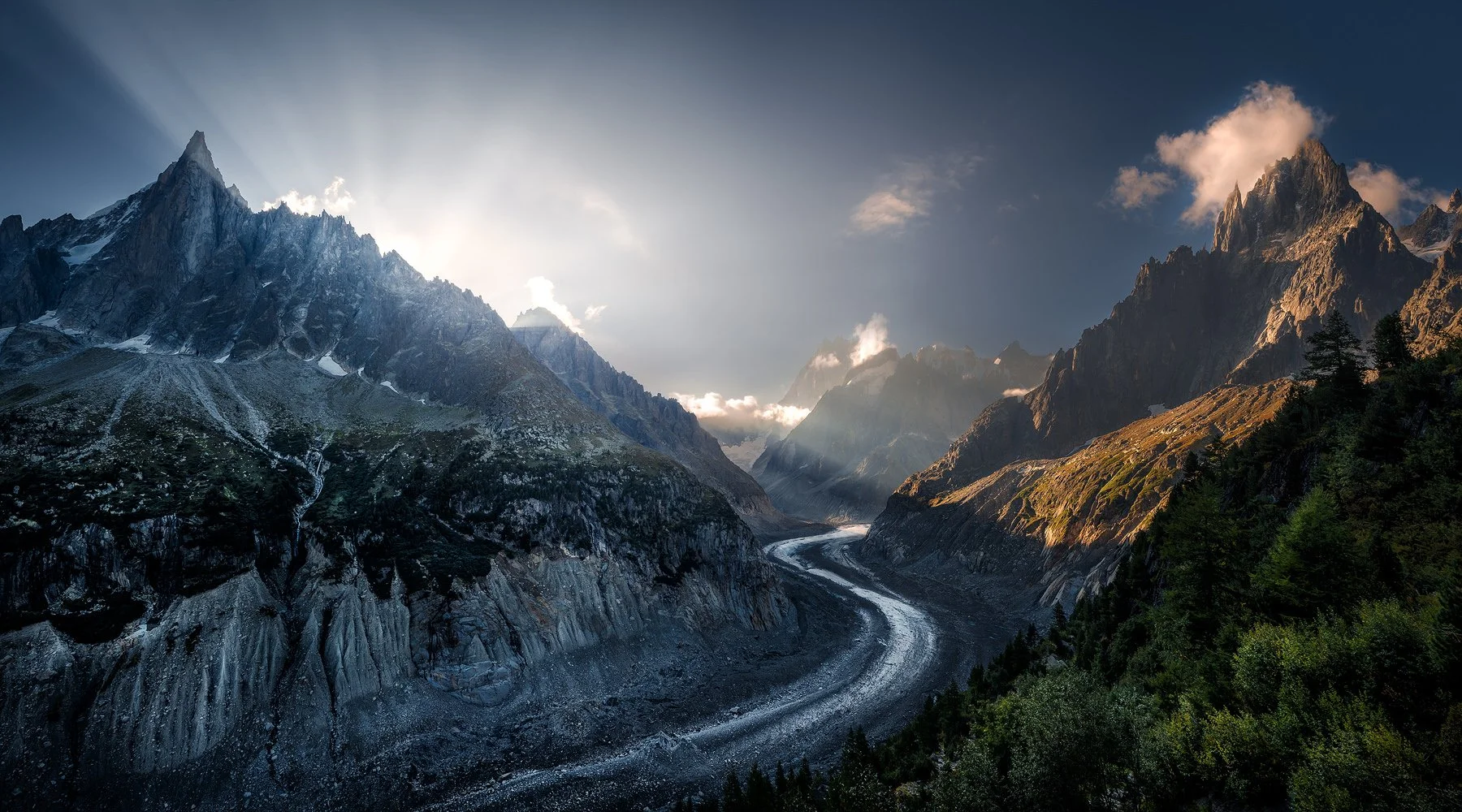
One of the ways I manage high dynamic range images is by preventing the sun in the frame in the first place. I often use natural ways of hiding the sun. This is Mer de Glace in France.
Weather Sealing
Landscape photographers frequently work outdoors in rain, sand, wind, snow and changing temperatures. A weather-sealed camera body offers more confidence when shooting in challenging conditions. Weather sealing means that there are gaskets placed around critical components such as buttons, ports and battery housing. These prevent the elements from entering the body. Well, they’re supposed to anyway. When I was in the Dolomites some years ago, I took my Nikon D750 out in the pouring rain for 2 days without a rain sleeve. It was still perfectly fine after 2 days in mountain weather, but then I figured “let’s get closer to that waterfall for a dramatic composition”. It turned off shortly after, then wouldn’t turn on for a few days. I took it to Nikon Service Center upon returning home and got a bill for a new shutter system and other electronic parts that had rusted and significant water damage. So weather sealing is not the same as an underwater housing. Better be safe than sorry and get a rain sleeve instead. They don’t cost the world and protect your camera and lens from any downpour.
Portability
Some photographers hike long distances to reach a location. In those cases, a lighter camera system may be more practical than a large, high-resolution body with heavy lenses. But to be honest, I’ve never looked at how many grams the other camera is compared to what I have. I just take less lenses. When guiding tours I’m often surprised by how much stuff my students bring. They could bring anything from a 14-24 all the way up to the veritable bazooka those 150-600mm lenses resemble. What’s more is that there’s often a ton of overlap. In addition, they bright a 70-200, a 16-35, a 24-70 and a prime or two. And ask me what to bring for the next shoot while I bring the same two lenses: a 14-24 f/2.8 and a 100-400mm. I often don’t bring or even own any other lens, so I don’t care about the weight difference of camera bodies.
Lens Ecosystem
The camera body is only part of the decision. A strong selection of wide-angle, standard zoom and telephoto lenses is essential for landscape photography. Tilt-shift options don’t bother me nor do filters other than a polarizer and an ND-filter. That’s why I just bring less in order to bring the most versatile camera body. If you’re in the market for the best lens for landscape photography, have a look at this blog post.
Versatility of Features
Nowadays it’s all about film. Social media is anyway. I separate social media from photography and would even call most people with a camera today influencers and not photographers. Without social media for them, there would be no point in photography. I digress because I feel so strongly about this.
Having the option to film can be a huge boon to some. So having all the codecs and film modes and on-screen assistance can be fantastic in addition to all those photography settings. I’ve got to say that Panasonic has lead the way in this for years. The S5II that I have is the predecessor of the S1II. I chose this over Sony because it has the in-camera anamorphic desqueeze, stabilization, LUT-previews and a host of other features that make the addition of a field monitor just owning a larger screen. Most people starting out with film don’t realize that you need an external monitor or even a recorder just to be able to use all the features listed on the camera website. I’ve found that very annoying, to the point I didn’t film at all. What the Panasonic Lumix ecosystem does lack, is a good UI or menu system that’s easy to understand for photographers. Photography does not need a whole lot of options and menu diving. Look at Hasselblad for instance…
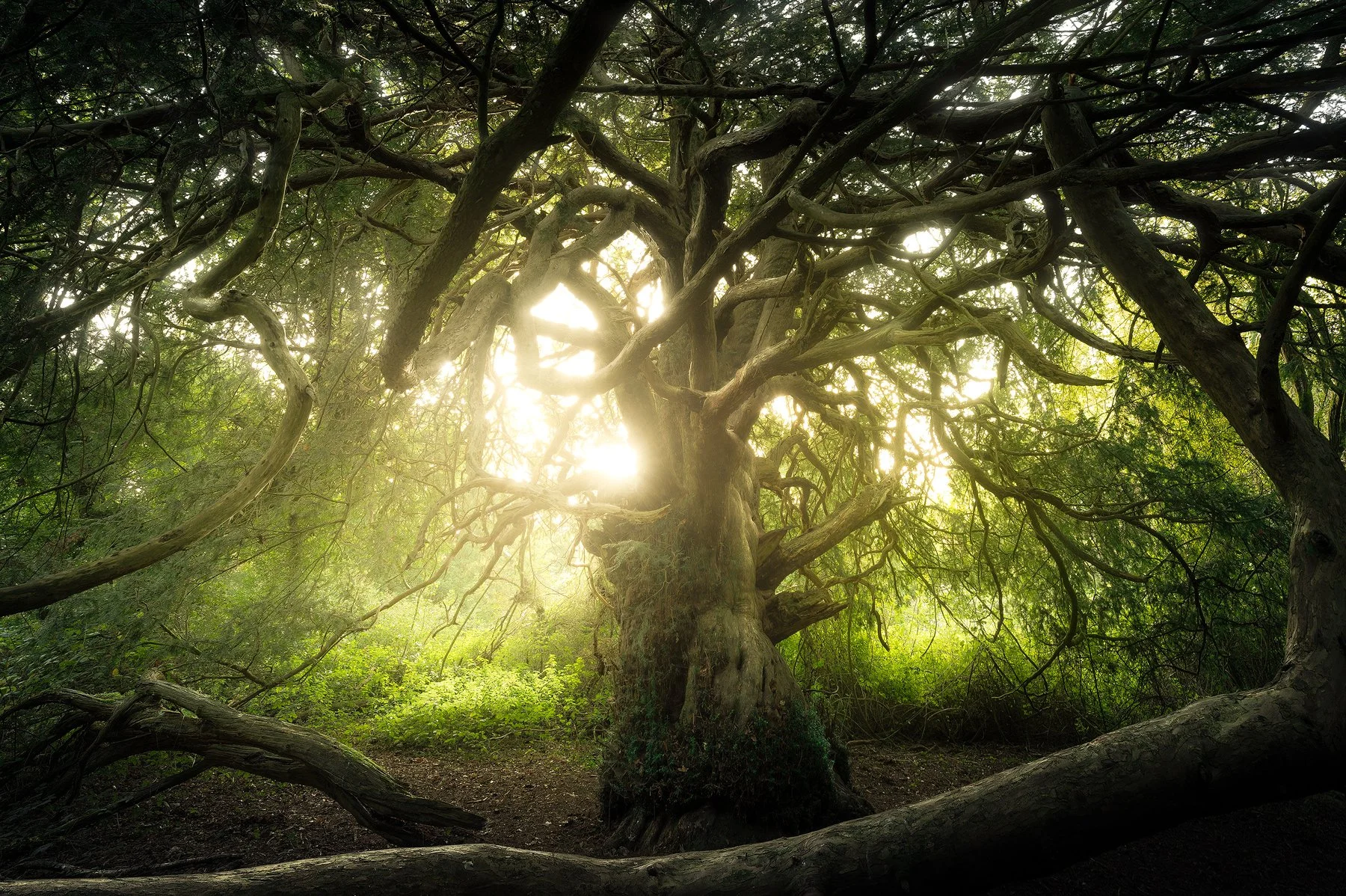
I like crazy compositions like this, where I get up close to a foreground in challenging lighting conditions. This is more about technique than gear, but it does require an extremely wide angle lens that can focus closely to the foreground, which is why I chose the Sigma 14-24mm over the Nikon one.
Sensor Size and Its Impact
Sensor size plays a major role in image quality, size, weight and unfortunately… cost.
MFT Cameras
Micro-Four-Thirds have pretty small sensors. But they’re fast. If you’re looking for burst rate, high FPS film, then this is the sort of camera I would start looking into. For night photography and most landscape photography I would outright skip sensor sizes like MFT or smaller.
APS-C Cameras
APS-C cameras can produce excellent landscape images while being smaller and more affordable. They are a strong option for photographers who want a balance between quality and cost, because APS-C cameras from Nikon, Canon and Sony are among the best there are. A special mention goes out to Fujifilm, as they currently only offer APS-C cameras and medium format. Fuji’s APS-C line up offers something for everyone, but for landscape, I’d look into the XT-series of cameras. Those rock for landscape work.
Full-Frame Cameras
Full-frame cameras are the most popular for landscape photography because they typically offer excellent dynamic range, good low-light performance and access to premium ultra wide-angle lenses. They are often the preferred choice for serious enthusiasts and professionals. They used to come with price tags exceeding 2000 bucks, but those days are long behind us. They are called full-frame because their sensors represent the industry standard 35mm film size from the good old days. There are much larger film and digital sensor sizes, but “small format” isn’t good from a marketing perspective.
Medium Format Cameras
Medium format cameras are often seen as the premium option for landscape work due to their extremely high resolution and tonal depth. However, they are usually expensive, heavier and slower to operate because of the increased data rate. My reason for not having gone down that road was previously the lens selection. There are no options for ultra-wide angles that have a large aperture. And there are no native lenses that have the range of a 100-400 on full-frame. There are some options to adapt large format lenses and even full-frame lenses, but there are many concessions. The biggest one being the loss of autofocus. And with a larger sensor size comes a larger depth-of-field, meaning that your plane of focus is more shallow, making it much harder to achieve critical focus. And so, you have to focus stack more often with already huge file sizes eating up your hard drive space. I’ve tested both Hasselblad X and Fujifilm GFX. Fuji has a wider lens choice, Hasselblad is more user friendly in their menus, but almost exclusively touch-screen based. That said, the controls are a breeze to use.
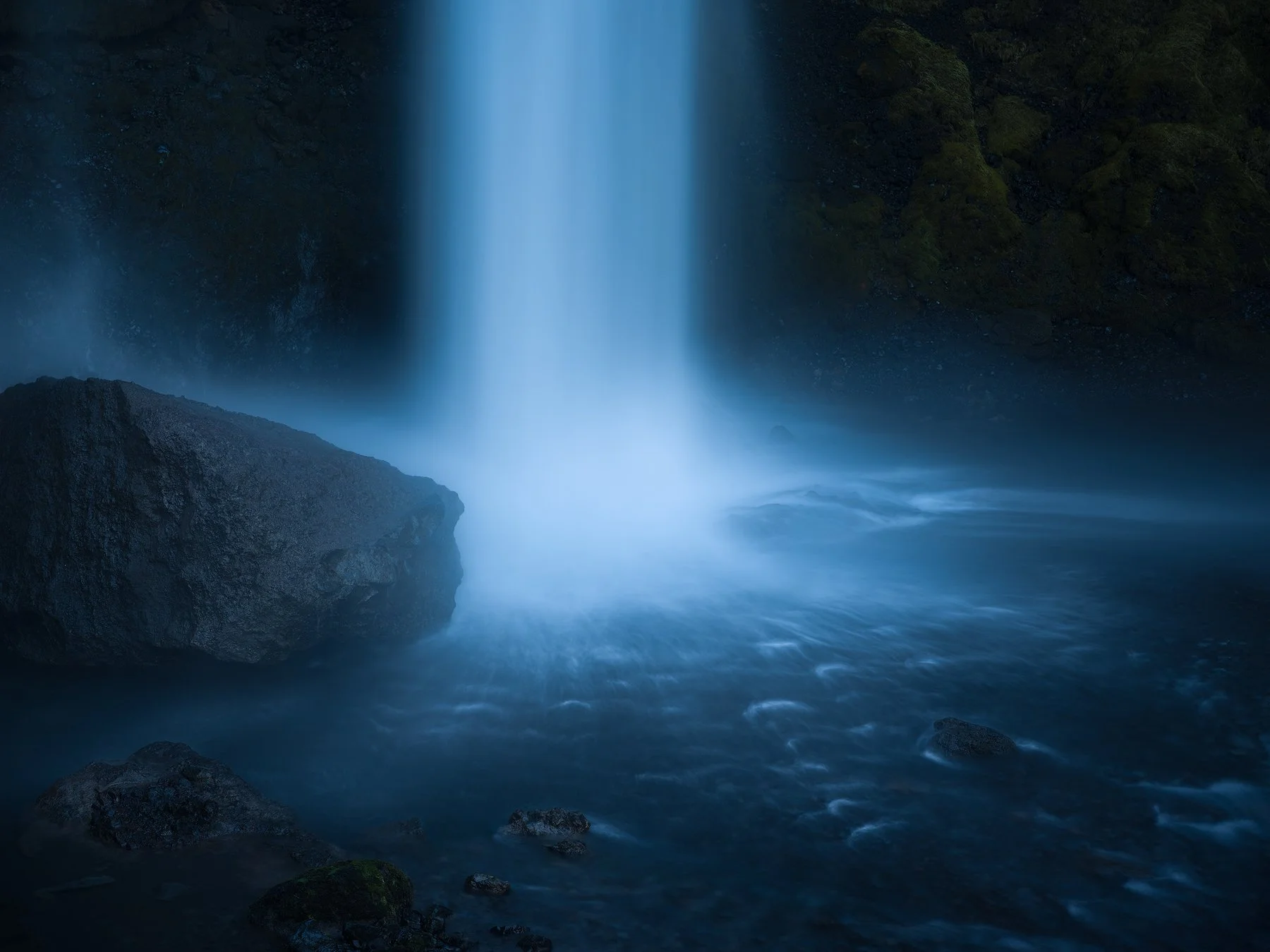
If there’s one type of landscape photography for which a medium format camera is suited the best, it’s intimate landscape photography; my latest passion.
So far we’ve only looked at “cropped medium format” or 645-derived format digital cameras. Then there are the true medium formats like PhaseOne and Mamiya that have even larger sensor sizes and even less lenses in their line up.
Best Types of Cameras for Landscape Photography
Best Overall Choice
A strong overall landscape camera usually combines high resolution, wide dynamic range, strong weather sealing and a mature lens system. This category is ideal for photographers who want the best balance of performance and versatility. Go for a Sony Alpha, Canon R or Nikon Z - these are all strong contenders and the future is mirrorless. They all have backwards compatibility with their legacy DSLR flagship lenses with adapters that offer full communication, including autofocus.
Best for Professionals
Professional landscape photographers may prioritize maximum image quality, rugged construction and advanced manual controls. Cameras in this category are typically designed for demanding field use and large-format printing.
Best for Beginners
Beginners often benefit from a camera that is affordable, easy to use, and part of a lens system with room to grow. Ease of learning can matter more than having the highest specifications.
Best Lightweight Option
For travel and hiking, a lightweight mirrorless camera can be the best choice. These cameras reduce fatigue without necessarily sacrificing image quality.
Best Budget Landscape Photography Camera
A budget camera for landscape photography should still offer decent dynamic range, raw support, and access to a useful wide-angle lens. A lower price does not automatically mean poor results, but I do recommend the cheapest full-frame camera you can find, like Nikon’s earlier Z5 model.
Mirrorless vs DSLR for Landscape Photography
Mirrorless cameras have become increasingly popular due to their compact size, electronic viewfinders, and modern autofocus systems. Many also offer excellent image quality and in-body stabilization.
DSLRs still appeal to some landscape photographers because of their battery life, optical viewfinders, and well-established lens libraries. While mirrorless systems now dominate new releases, DSLRs remain capable tools for landscape work.
Features That Matter Less Than People Think
Autofocus Speed
Fast autofocus is useful, but it is usually less important in landscape photography than in sports or wildlife photography. Many landscape scenes are static, and photographers often use manual focus or focus peaking. I use automated focus bracketing, meaning that the camera goes dark for a few to dozens of images and adjusts the focus from my setpoint all the way up to infinity. I think Nikon has the best design for this and most Sony cameras do not have this feature. Only the latest models do. Be aware that Canon goes down to 12-Bit raw files from 14 if you use this feature and it doesn’t allow longer exposures per frame than 0.5 seconds. That’s why I returned the otherwise fantastic Canon R5.
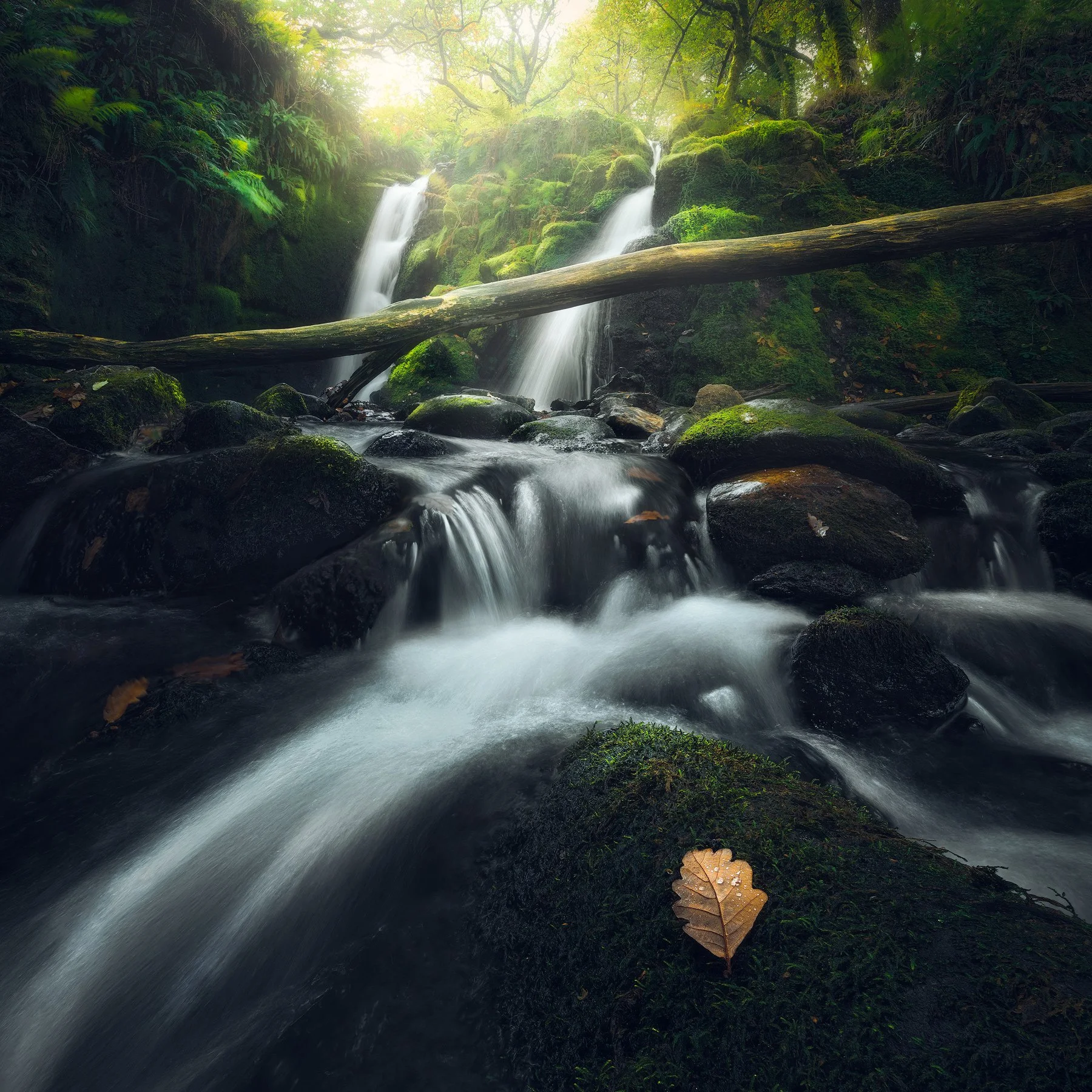
One of my many focus stacked images, where I use an automated feature inside the camera that shifts the focus point with every frame until it reaches infinity. It’s called “Focus Shift Shooting” on the Nikon Z6II this was shot with.
Burst Shooting
High frame rates are rarely a priority for landscapes unless the photographer also shoots action, wildlife, or changing weather events.
Video Performance
Some creators need strong video features, but for photographers focused only on landscapes, video quality may not be a deciding factor.
Important Accessories for Landscape Photography
The camera body alone does not create strong landscape images. Accessories can have a major impact on results.
Wide-Angle Lens
A wide-angle lens is a standard tool for capturing sweeping scenes and dramatic foregrounds.
Tripod
A sturdy tripod is often essential for sharp images in low light, long exposures and precise composition.
Filters
Polarizers, neutral density filters, and graduated filters can help manage reflections, exposure and sky brightness. I hate using filters, but I have to in most cases. My best images were shot with ND filters that lengthen the exposure time for creative purposes. But I’m biased - I use Breakthrough Filters exclusively, I’m part of their small team of photographers and am a brand ambassador for them - the only brand. They don’t ask me to write this, which is exactly why I’m doing it. They support my photography by sending me gear to test or use and ask for nothing in return.
Extra Batteries and Weather Protection
Outdoor shooting often means long days away from power and exposure to the elements. Spare batteries and rain covers can be important additions.
How to Choose the Right Camera for Your Needs
So the best camera depends on how and where the photographer works. But I hate reaching that conclusion. “What camera do you use” is the most often asked question I get. I switch cameras and brands all the time to try stuff out and other than getting used to a new menu system, I haven’t found differences in image quality whatsoever the last 20 years between brands as long as the sensor size and resolution is the same.
A professional who prints large gallery pieces may want maximum resolution and image quality. A traveler who hikes frequently may prefer a lighter setup. A beginner may value affordability and ease of use over premium specifications. The right choice comes from matching the camera’s strengths to your actual workflow. The best camera for landscape photography is the one that delivers the image quality, reliability and usability needed for your aspirations. Full-frame and medium format cameras often lead in pure image quality, but APS-C and budget models can still produce outstanding results in skilled hands. And I believe this is key to the discussion: there is probably more to learn about the gear you currently own than there is the added benefit of buying new stuff for the illusion that you will get better pictures from it. And again, training yourself in post-processing is probably where you will get the results that you are after.
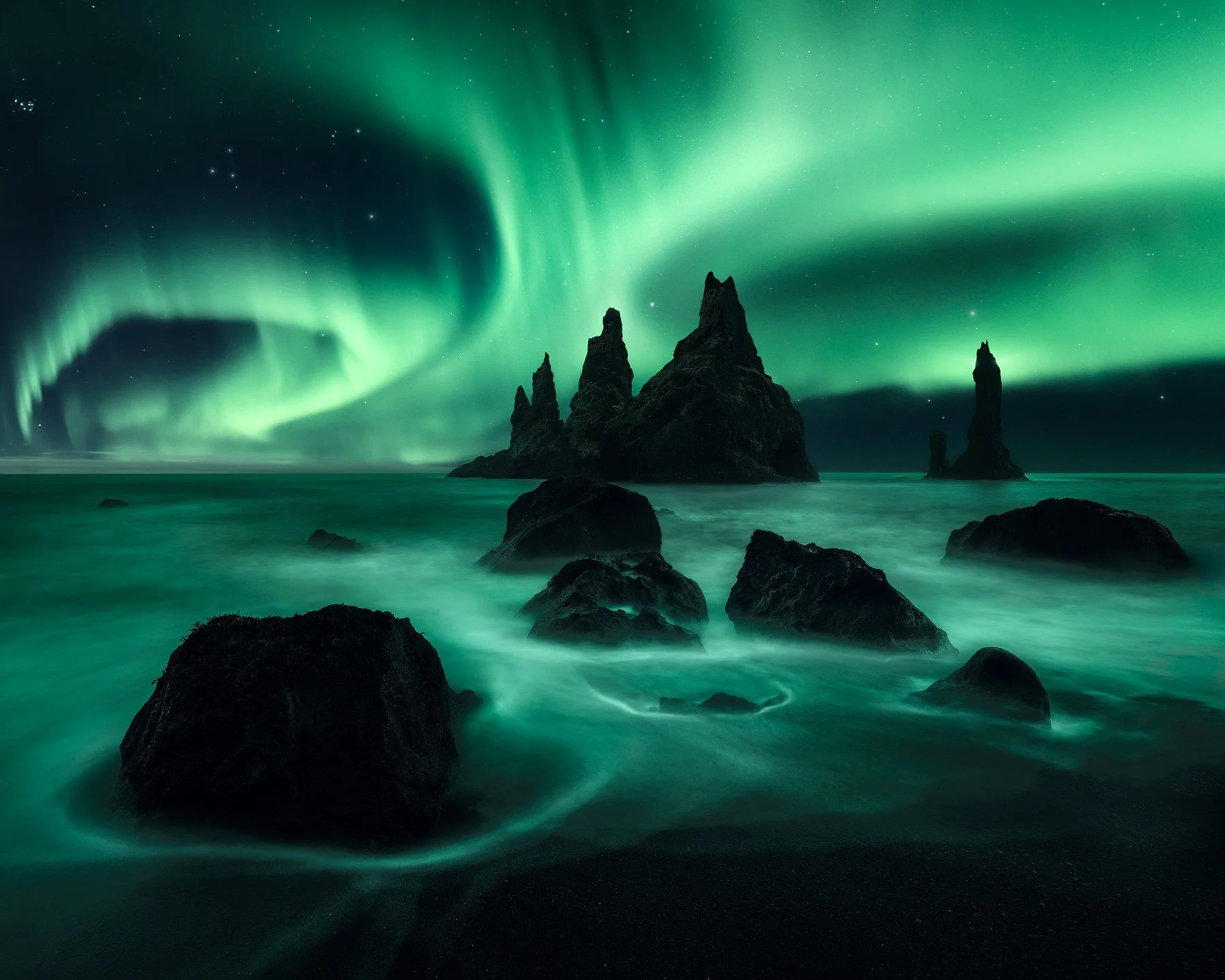
Not astrophotography, but nightscape composites. To show you what’s possible with advancements in your understanding of post-processing of images you all shot yourself.