 Image 1 of 19
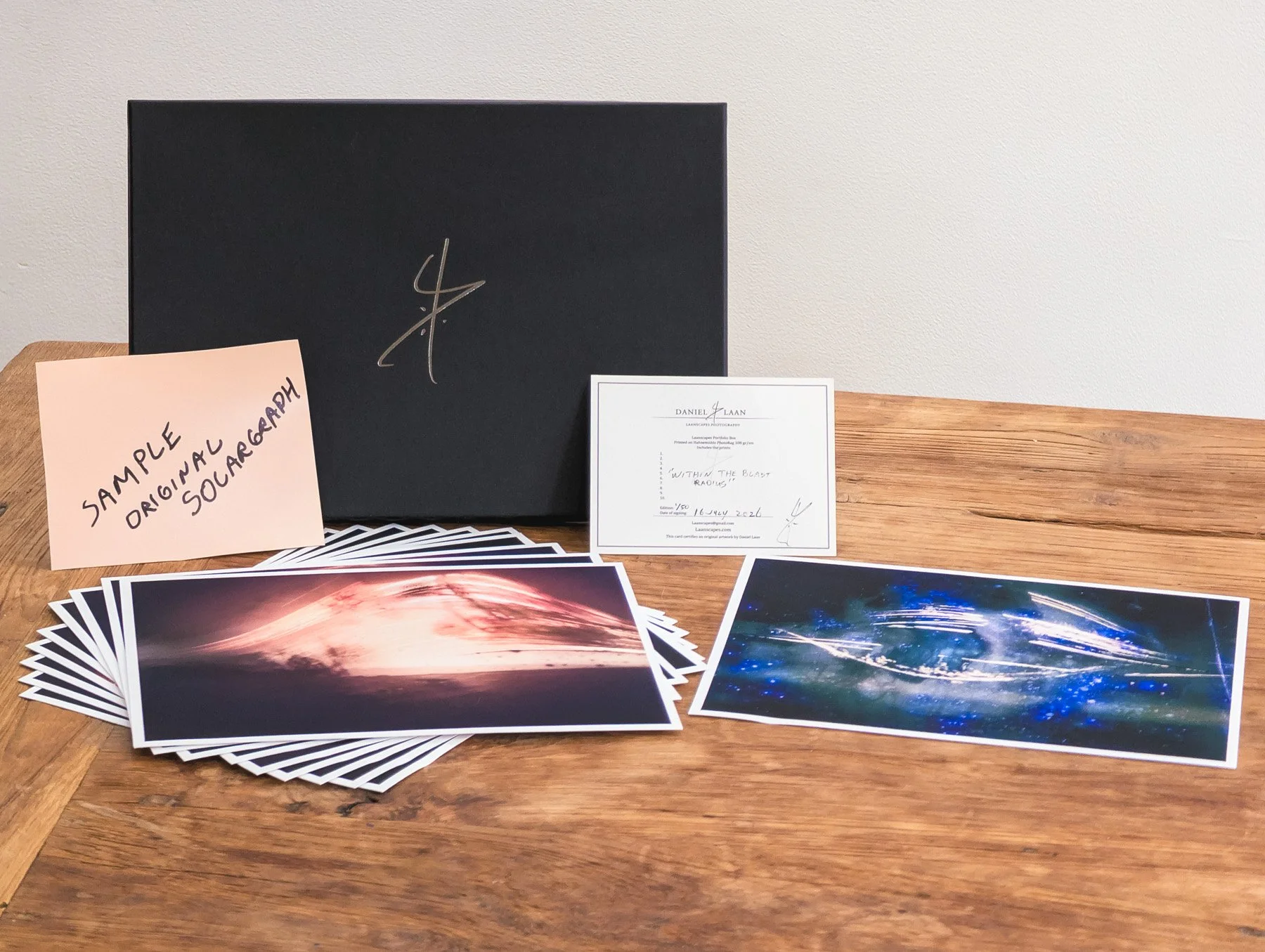 Image 2 of 19
 Image 3 of 19
 Image 4 of 19
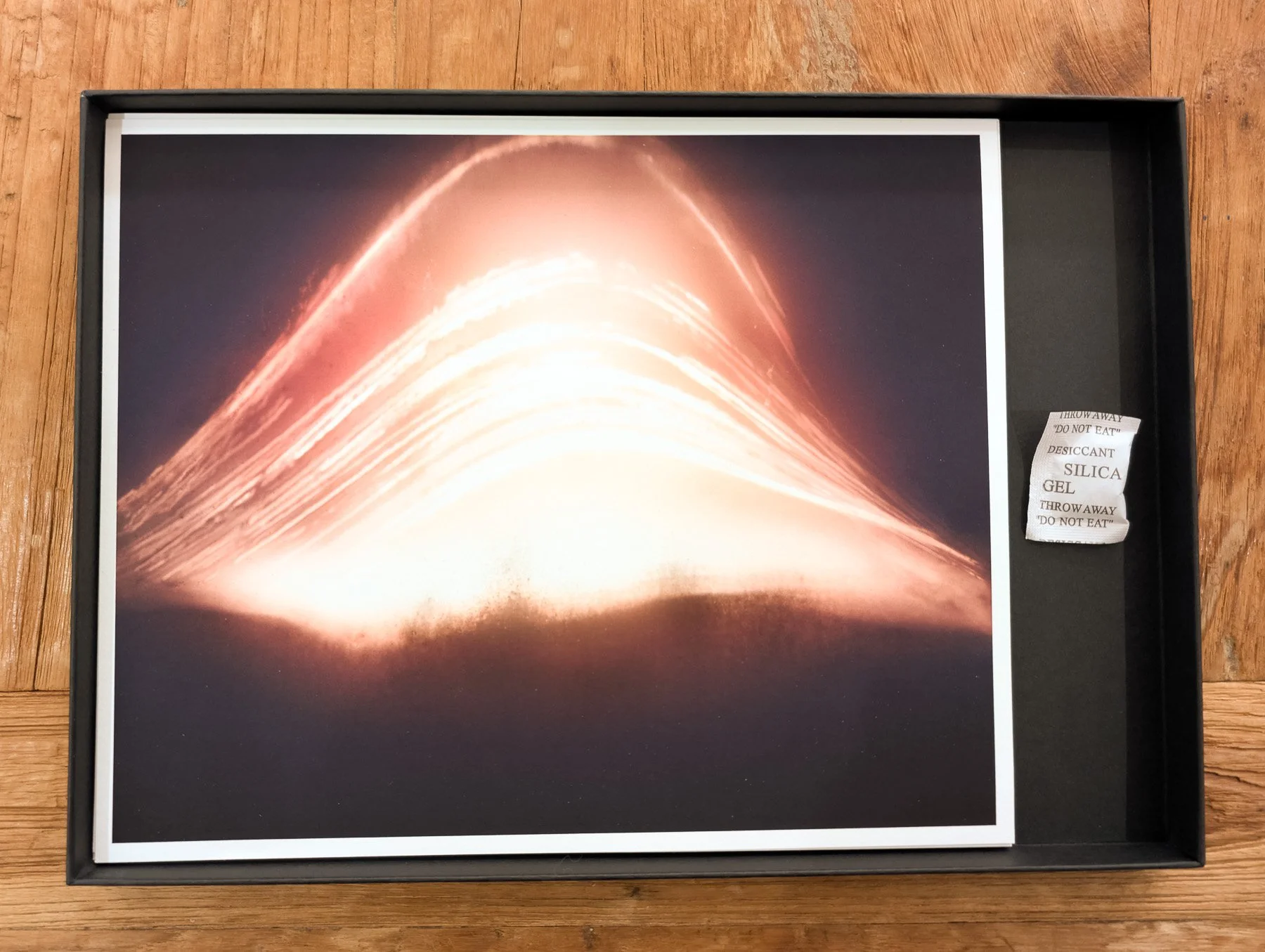 Image 5 of 19
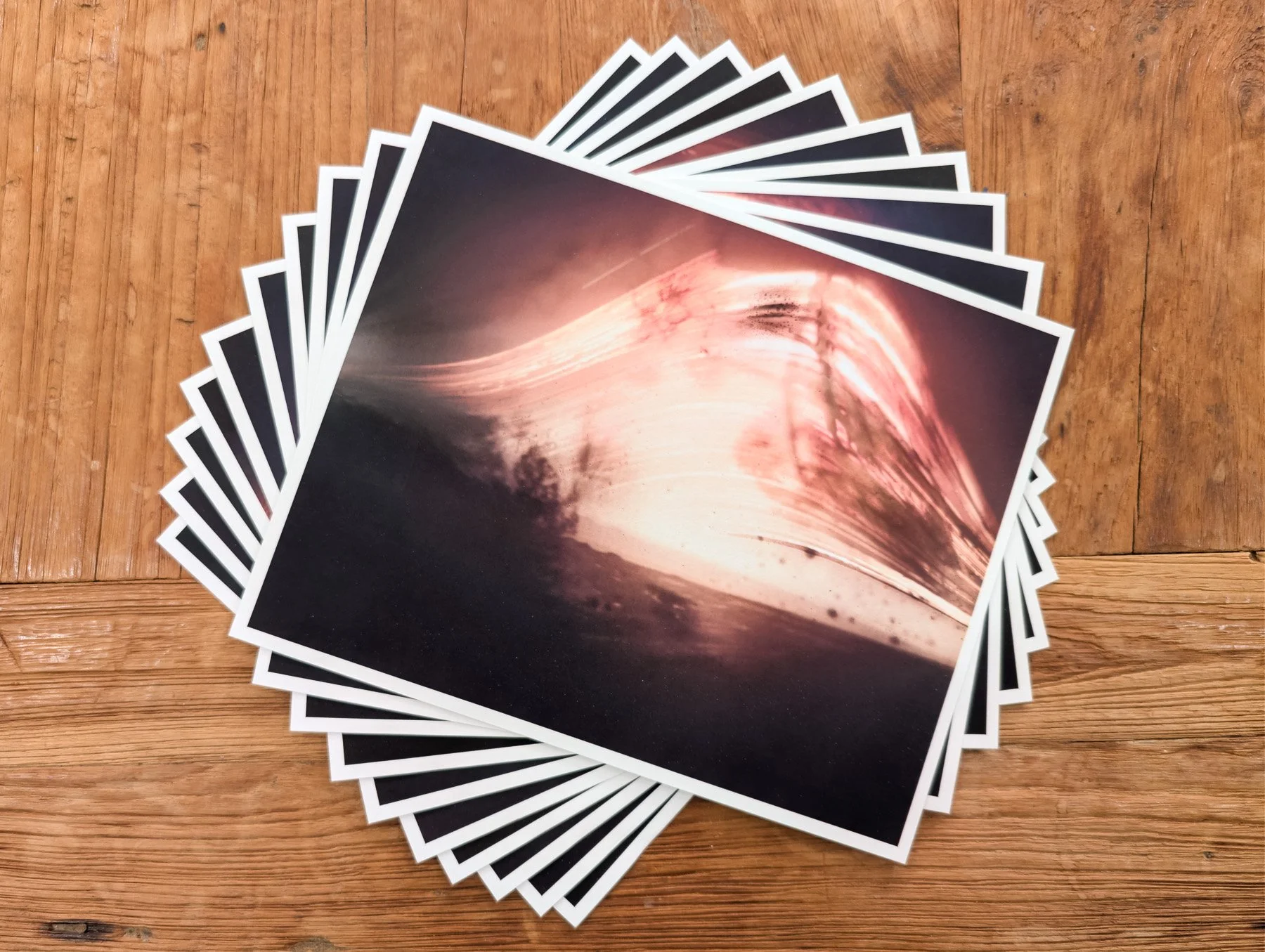 Image 6 of 19
 Image 7 of 19
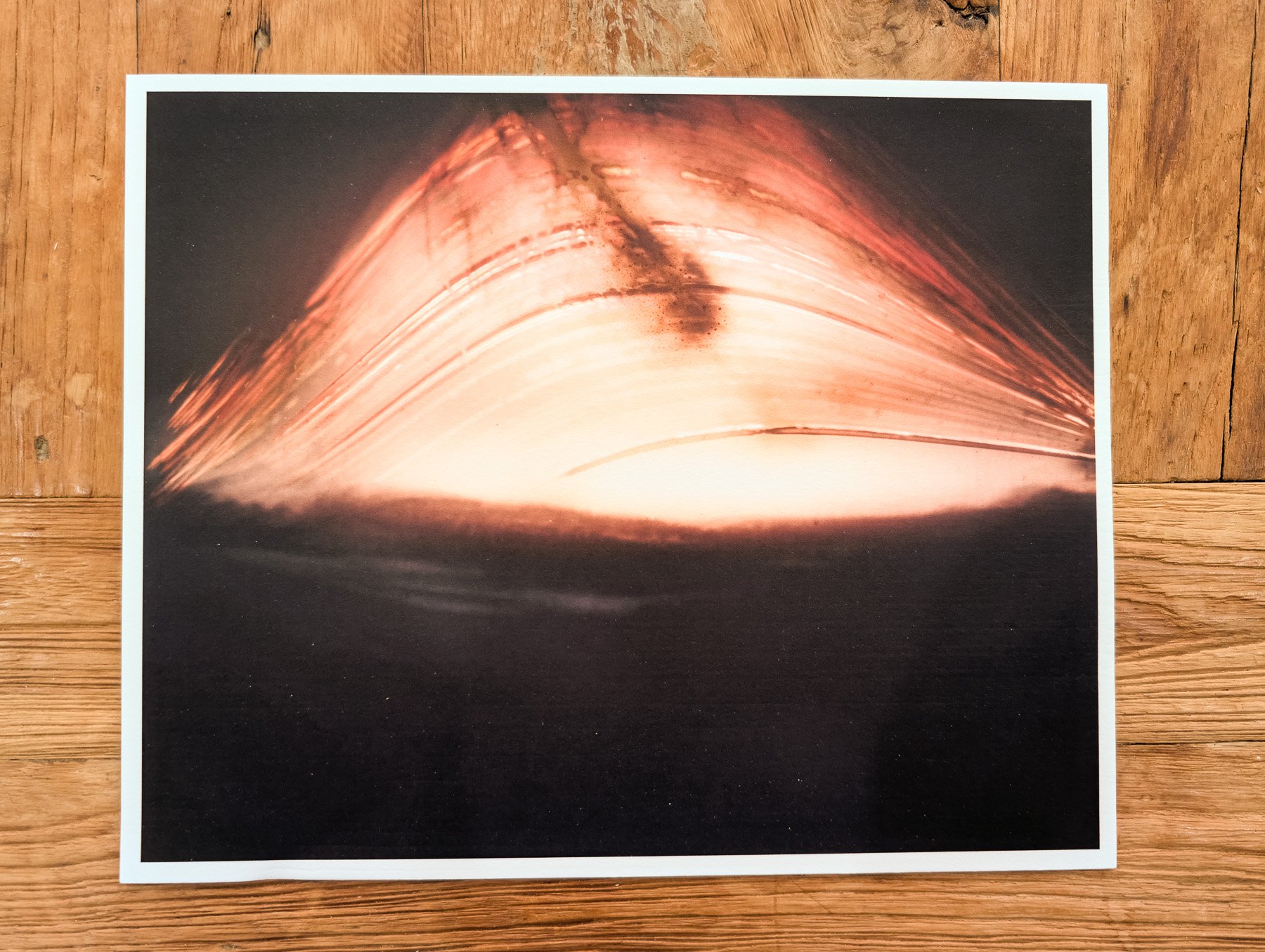 Image 8 of 19
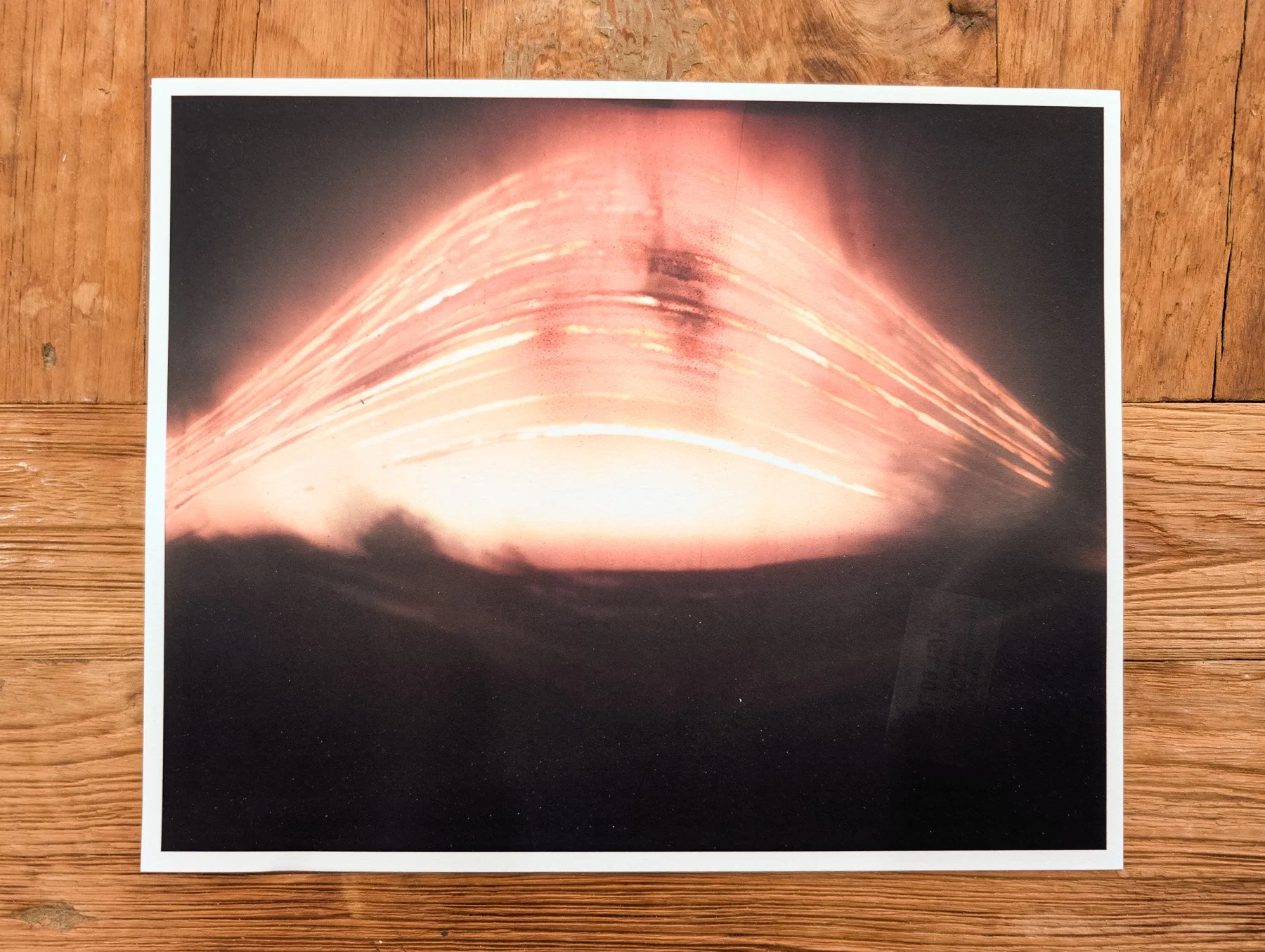 Image 9 of 19
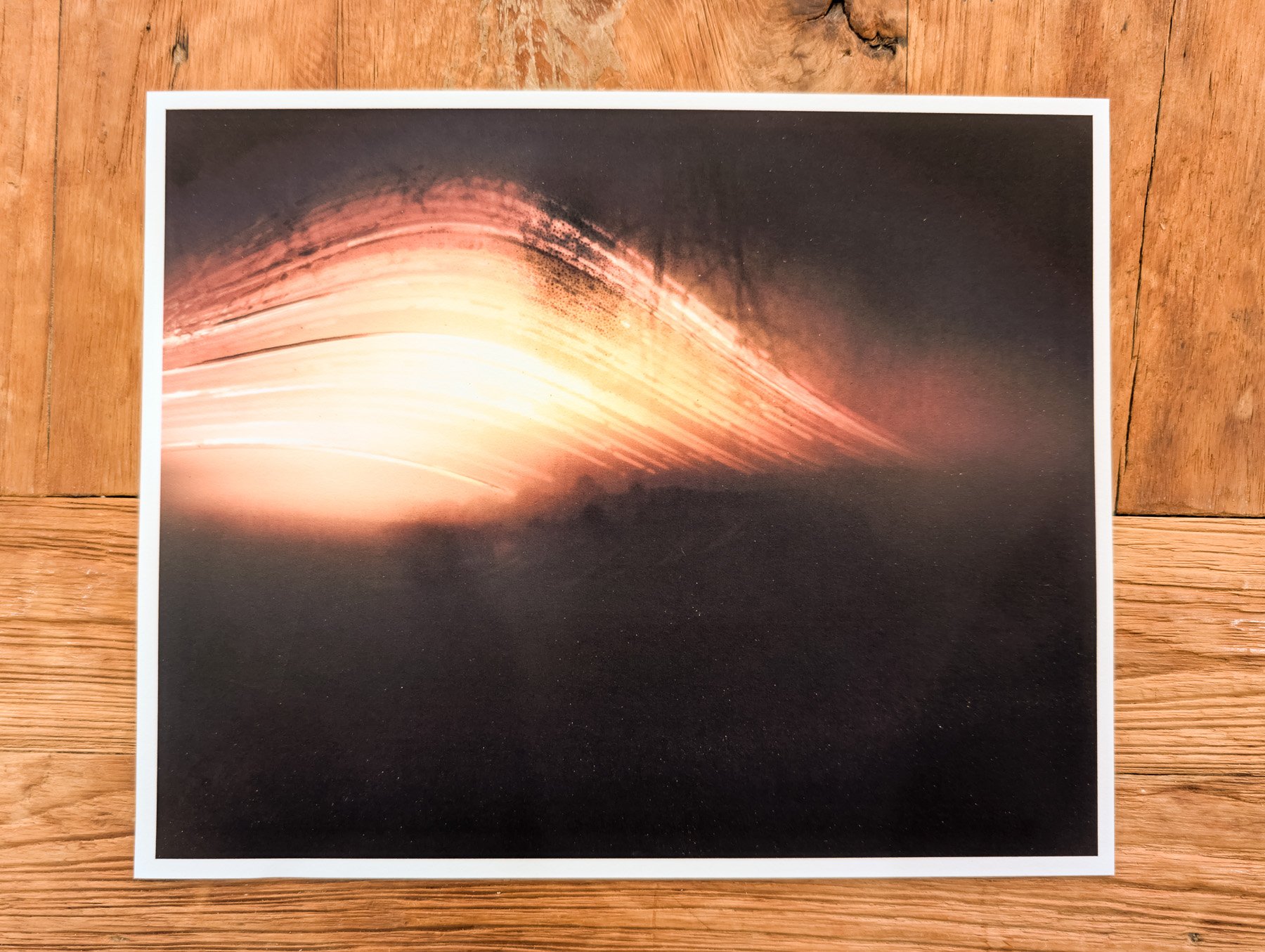 Image 10 of 19
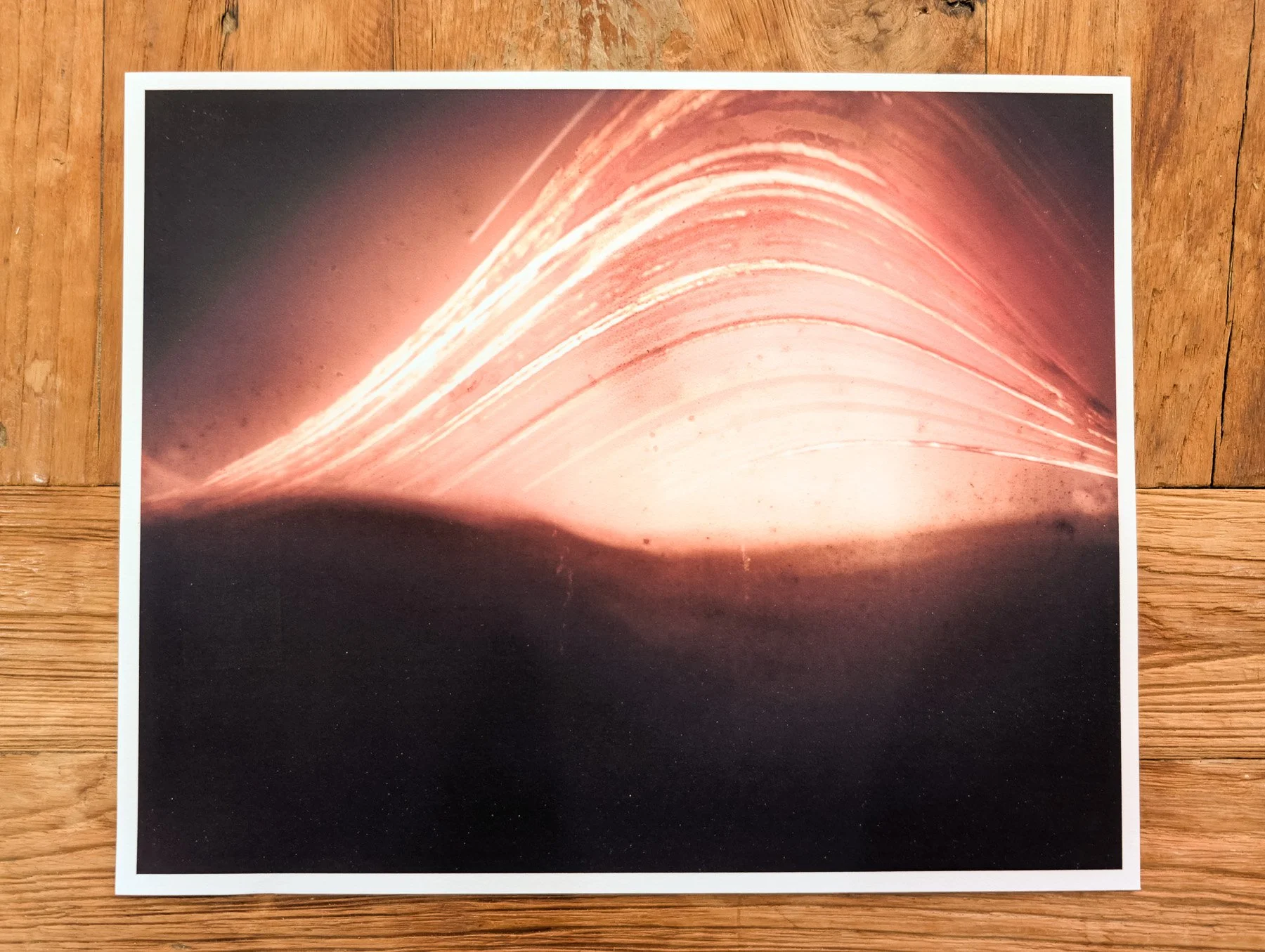 Image 11 of 19
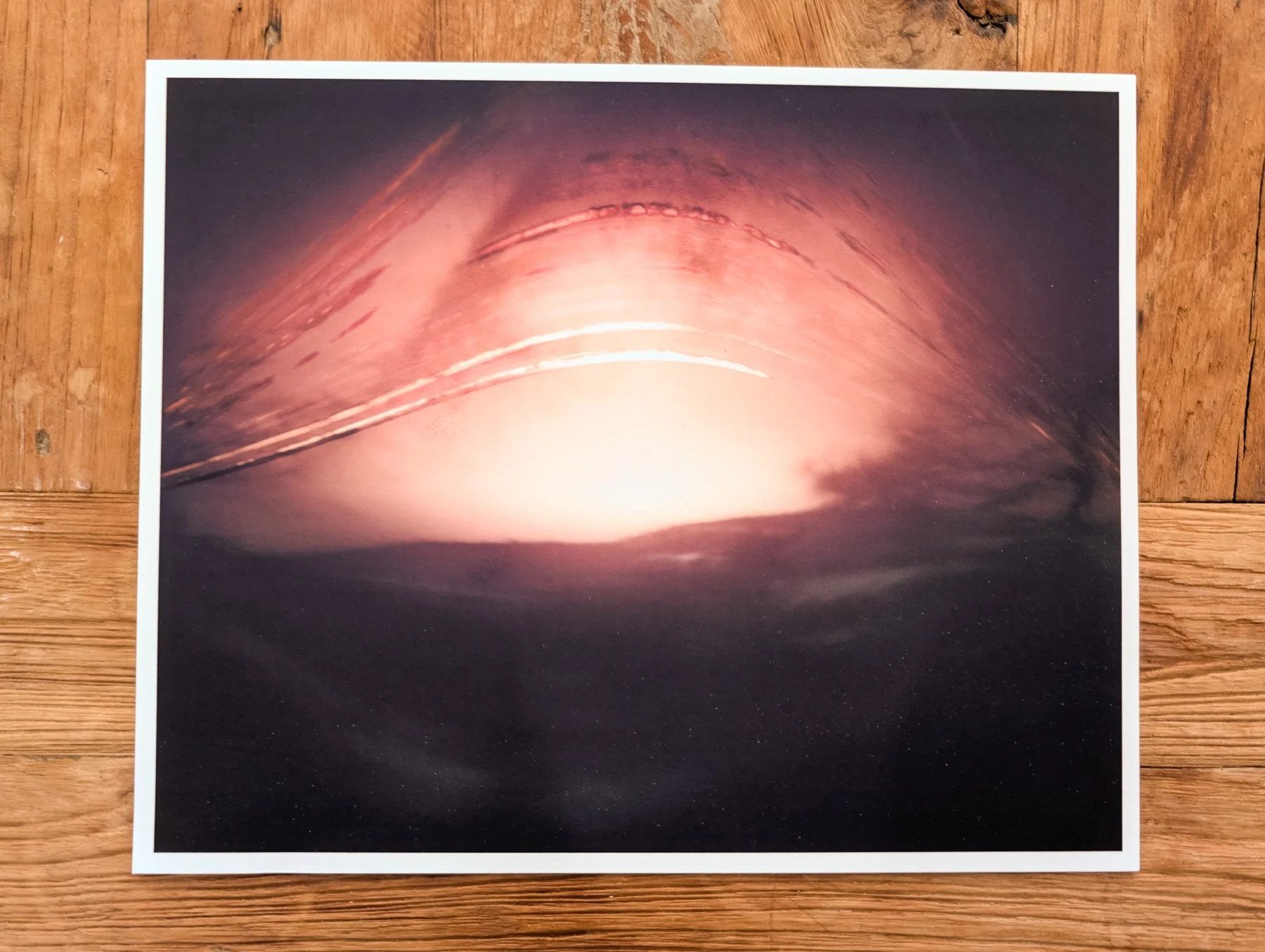 Image 12 of 19
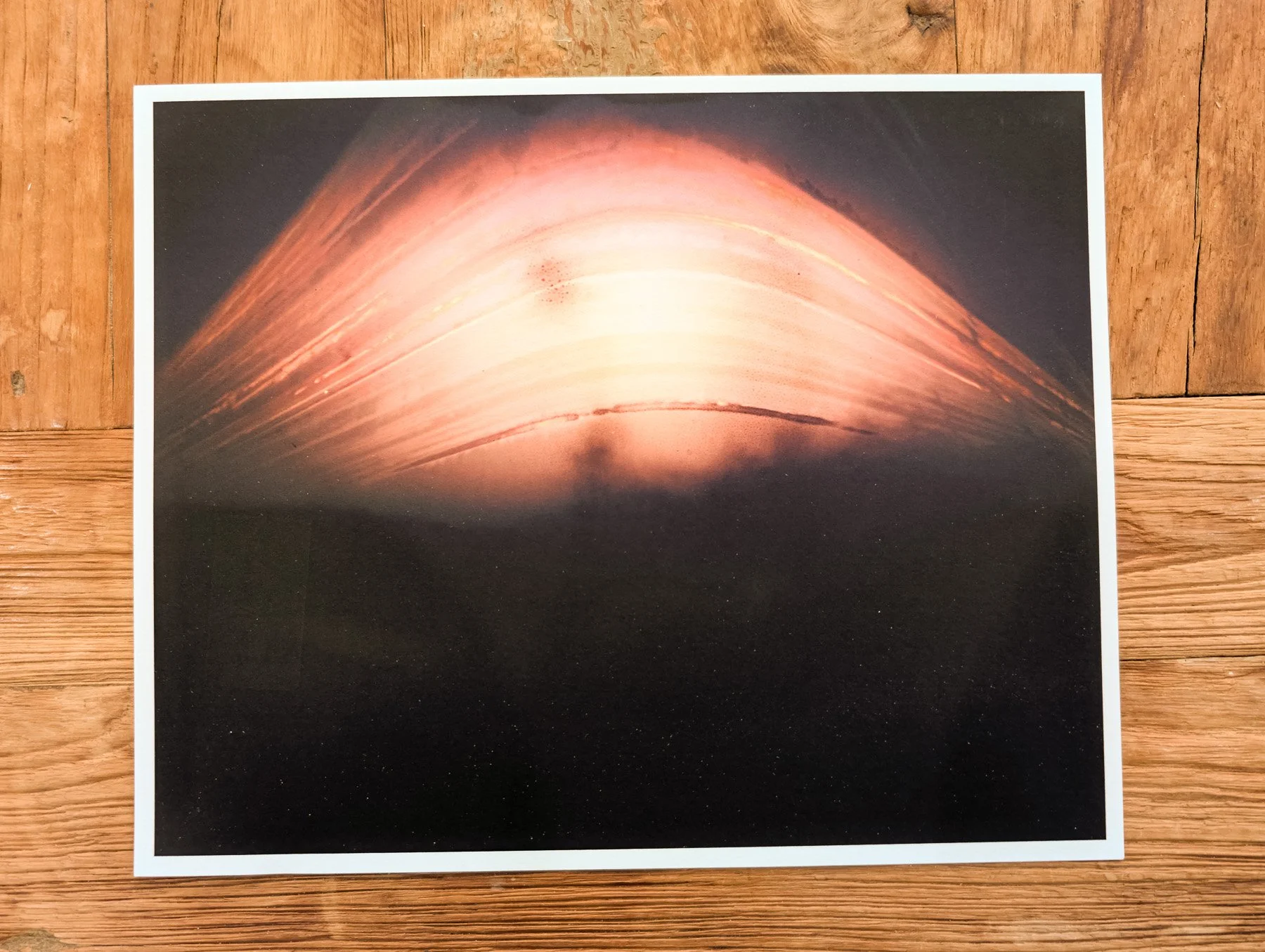 Image 13 of 19
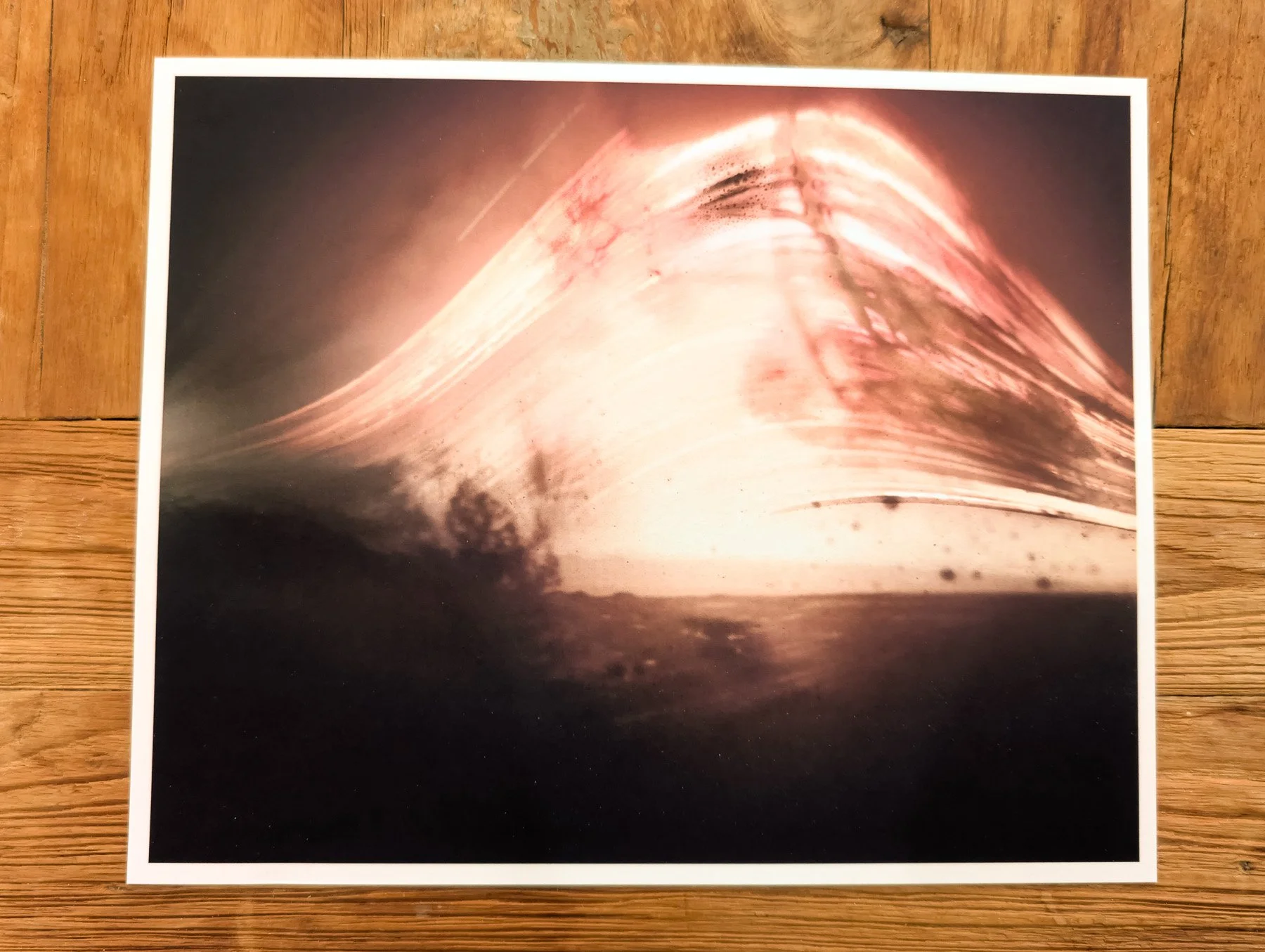 Image 14 of 19
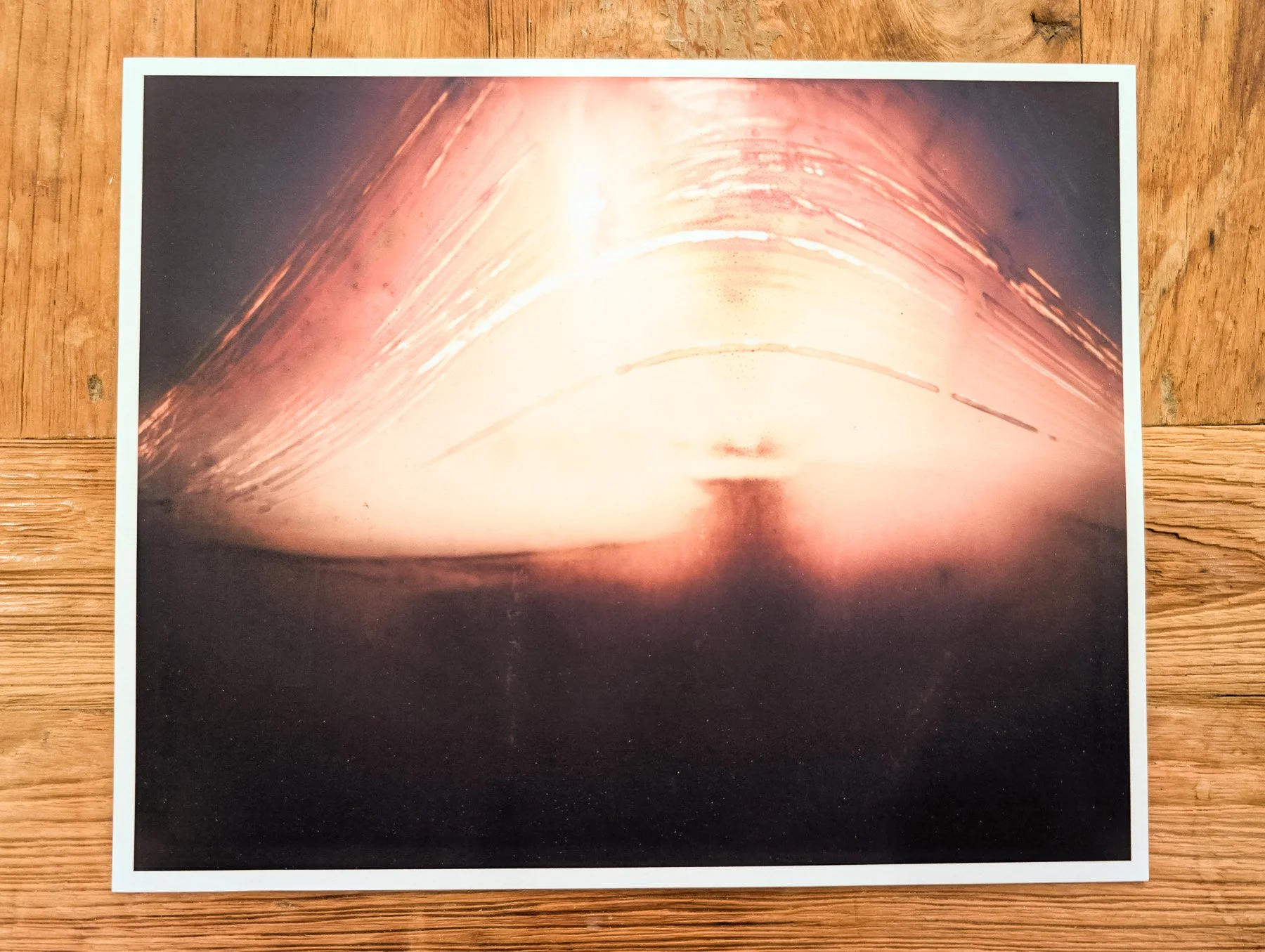 Image 15 of 19
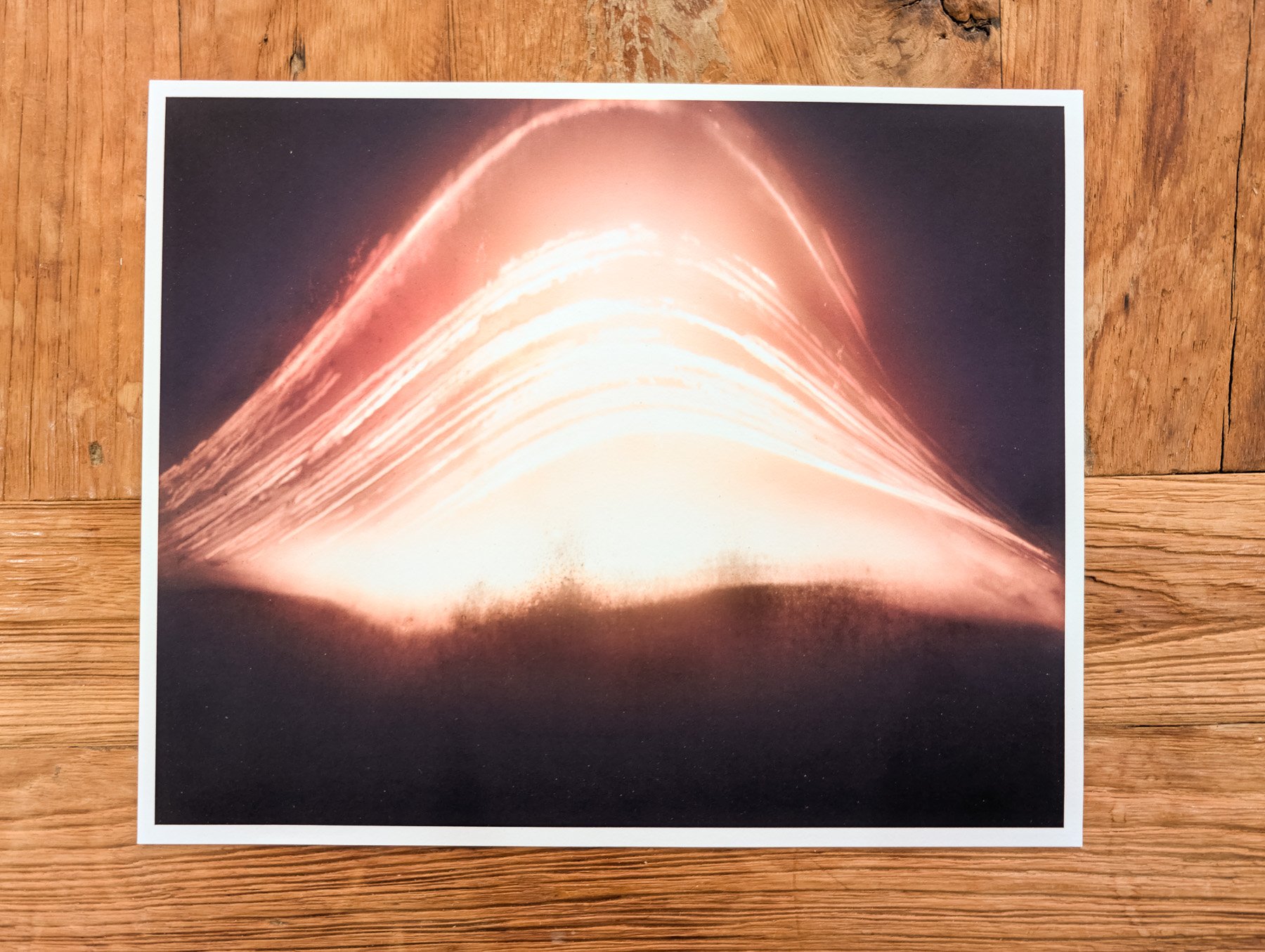 Image 16 of 19
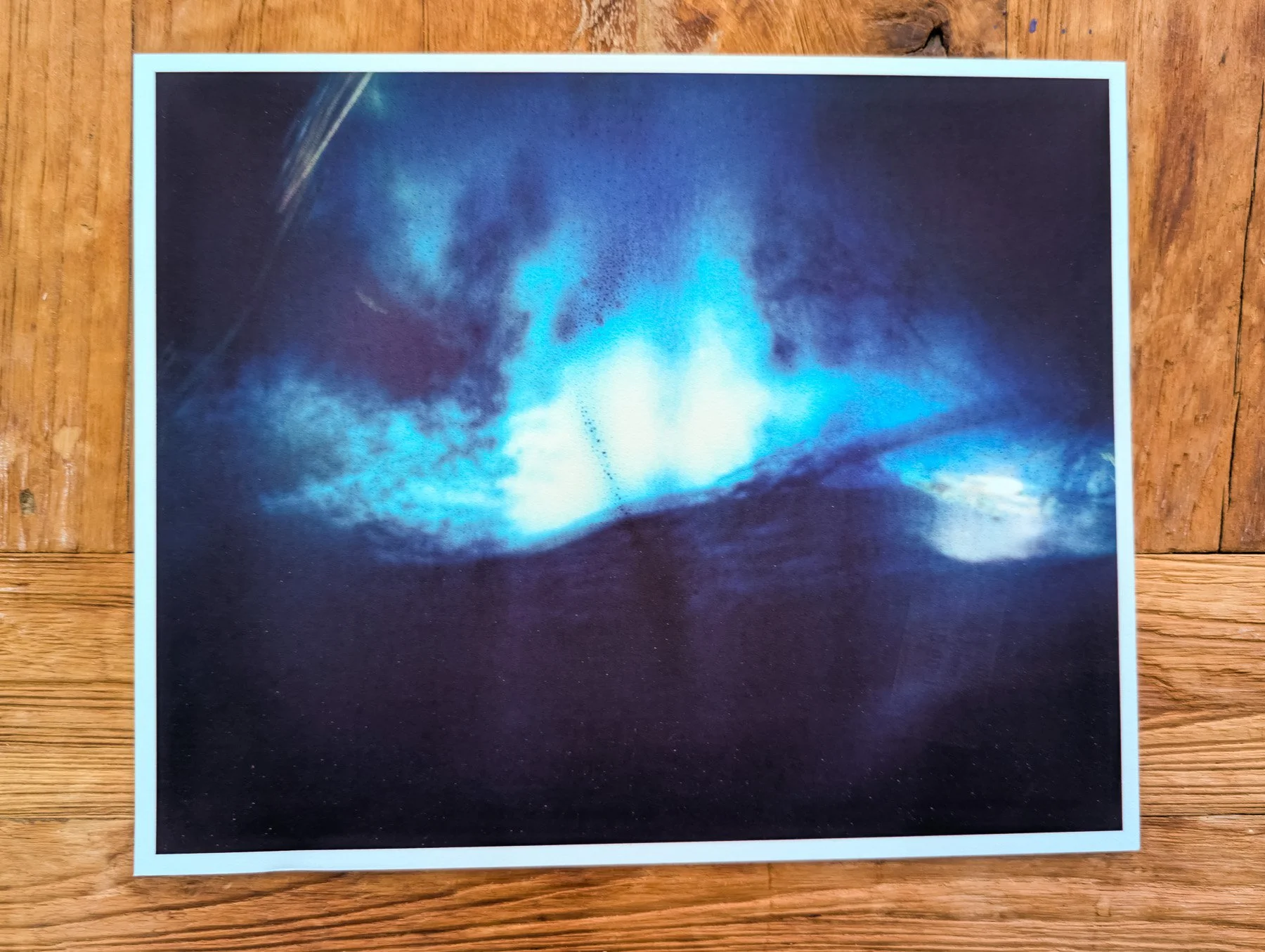 Image 17 of 19
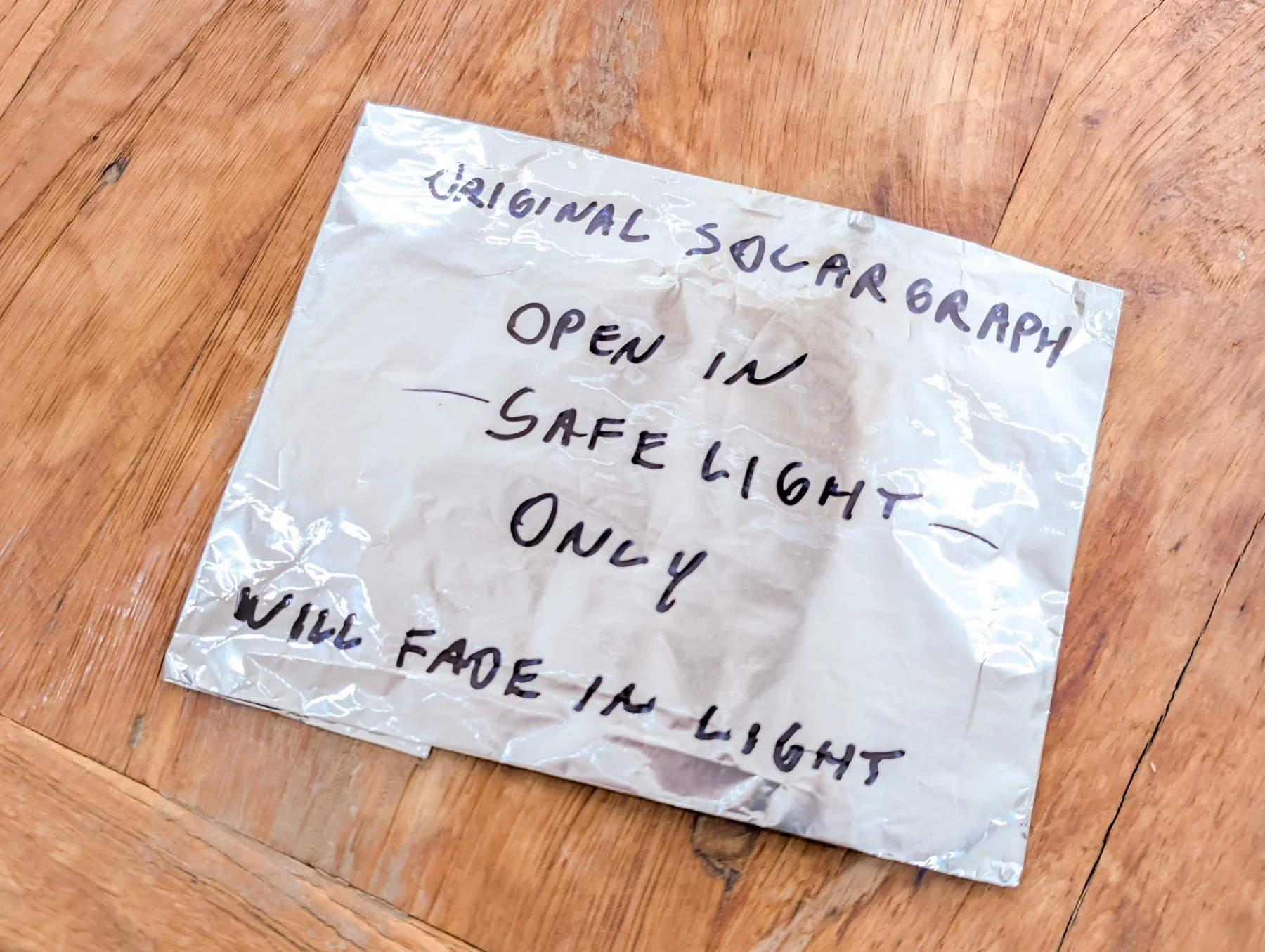 Image 18 of 19
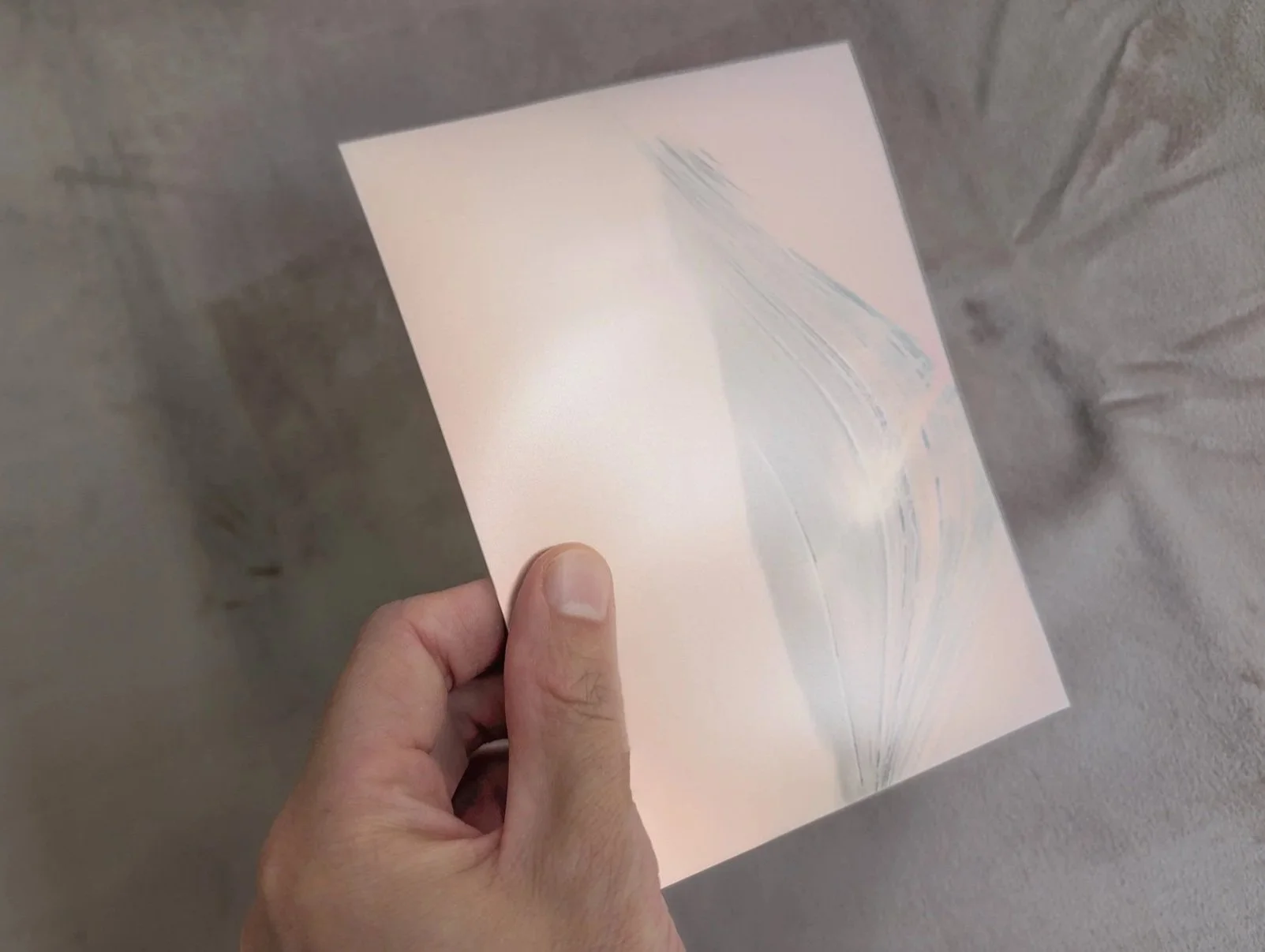 Image 19 of 19
Trinity
Crossroads Baker
Ivy Mike
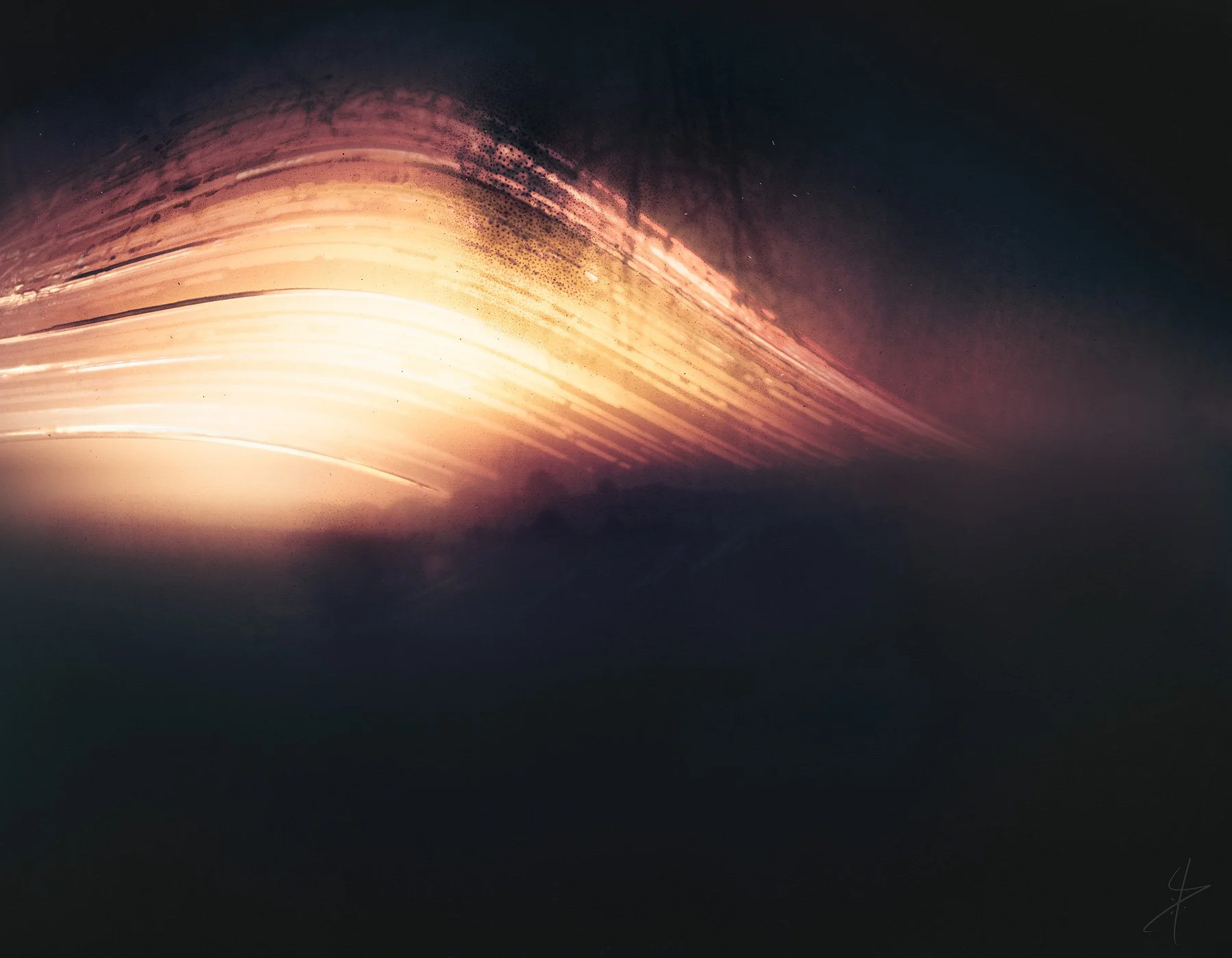
Pokhran-I "Smiling Buddha"
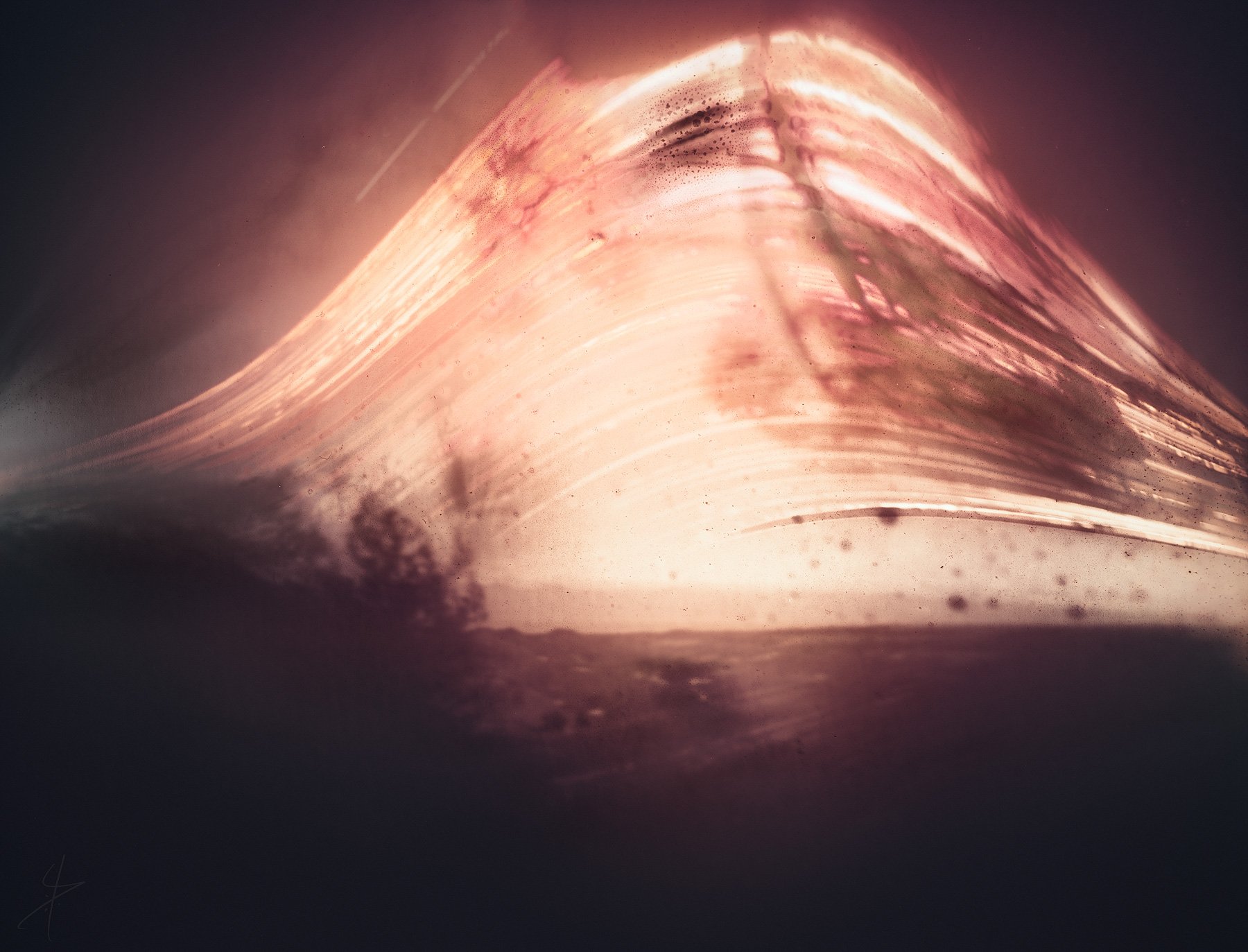
Castle Bravo
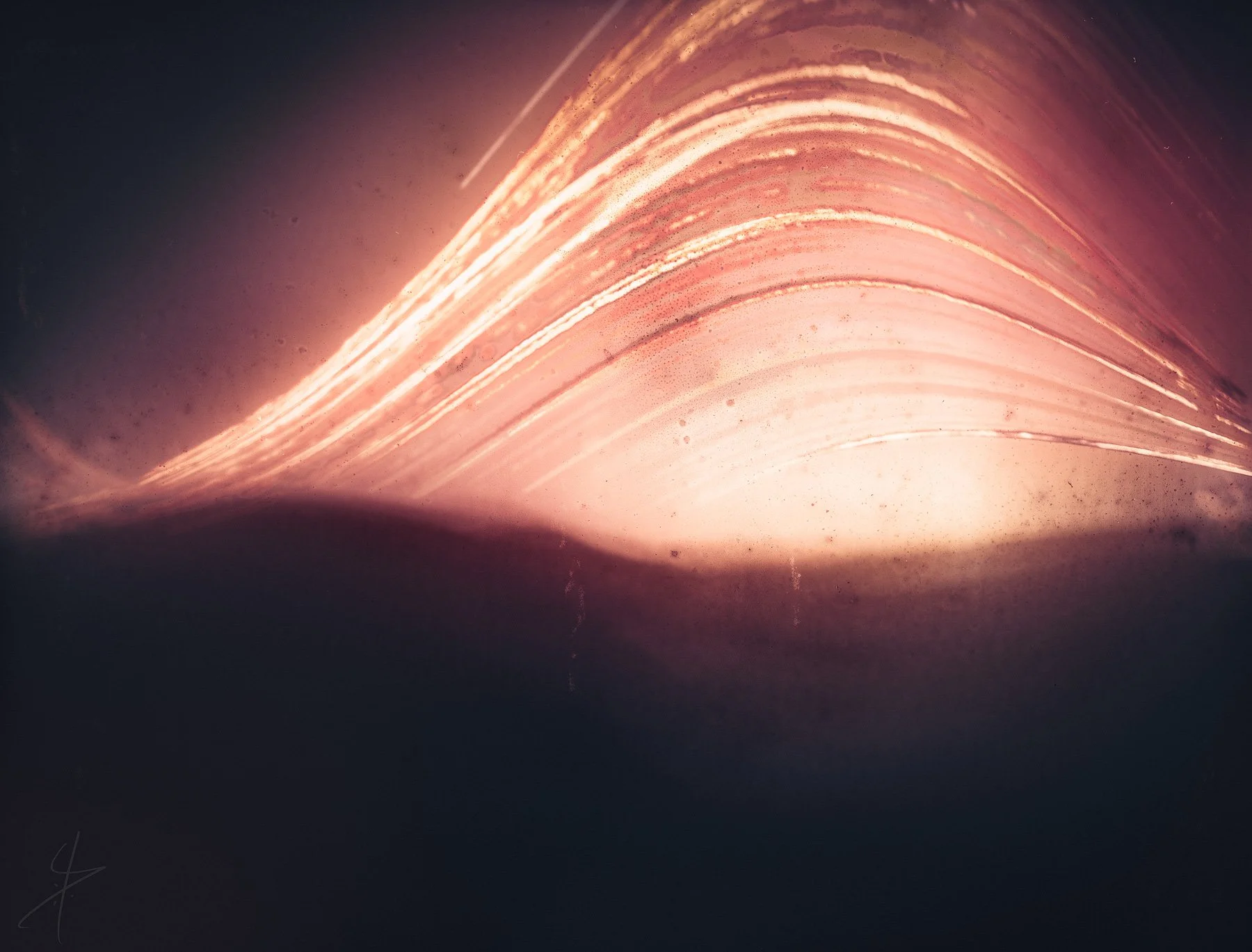
Chagai-I
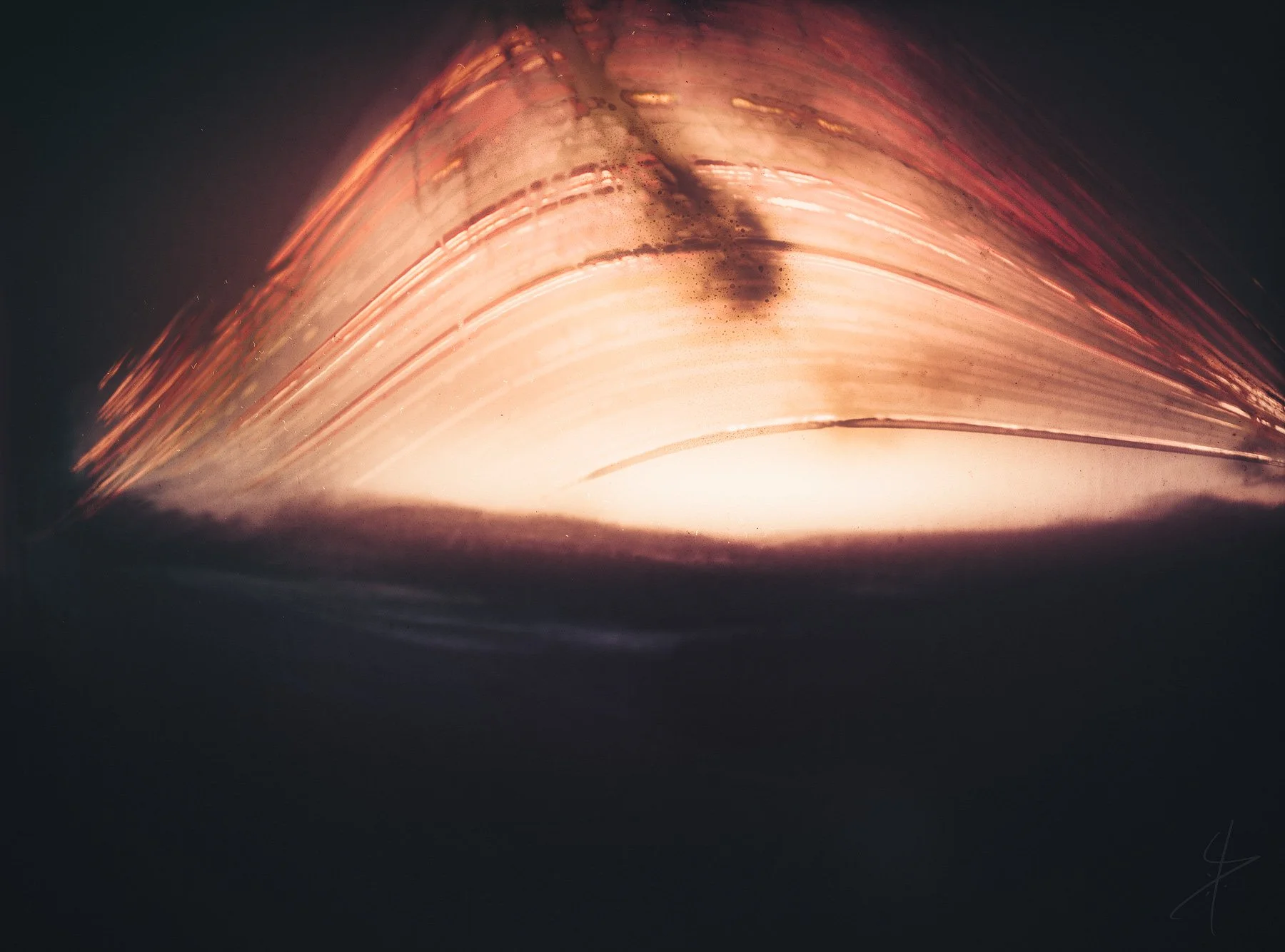
Upshot-Knothole Grable
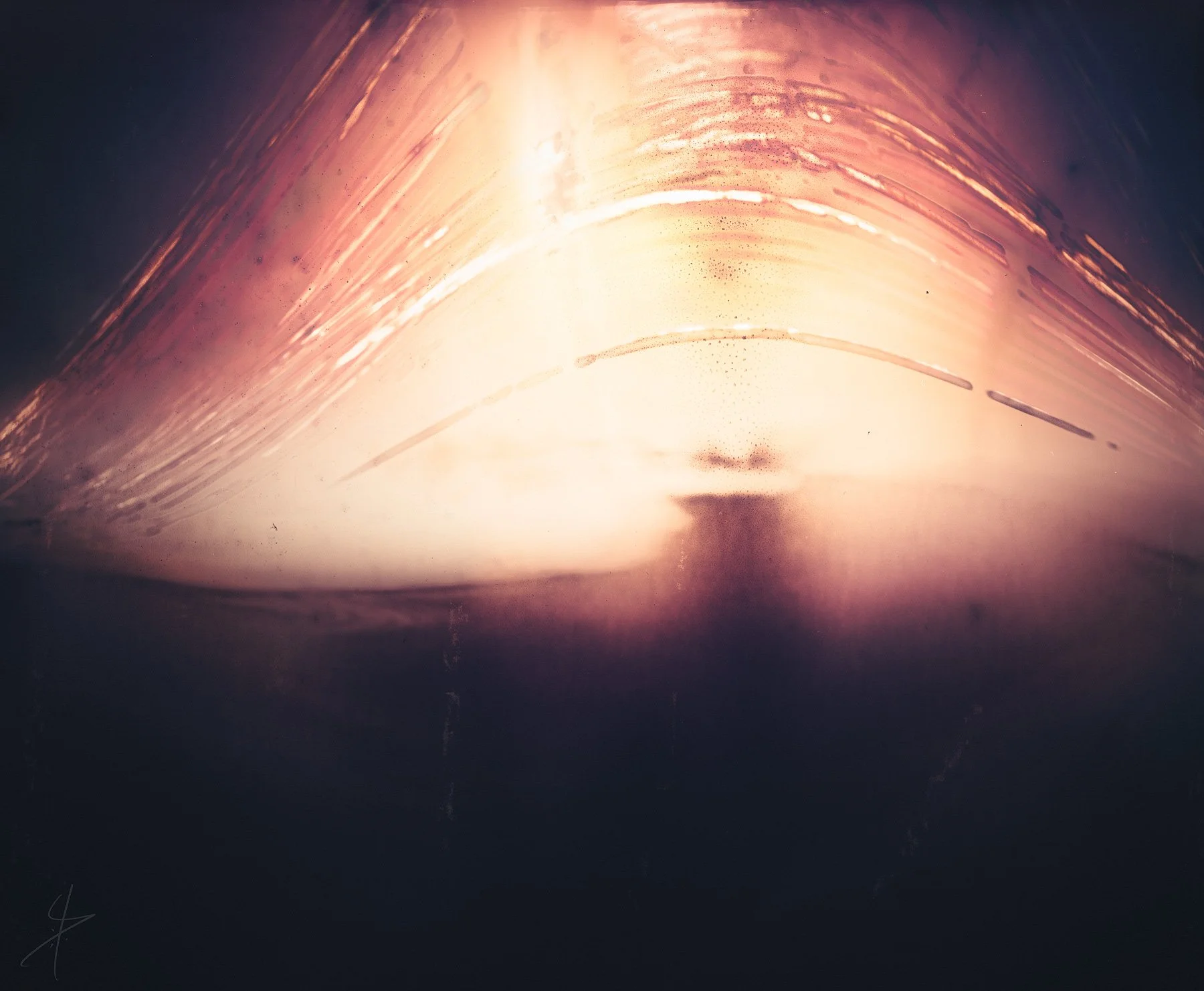
Tsar Bomba
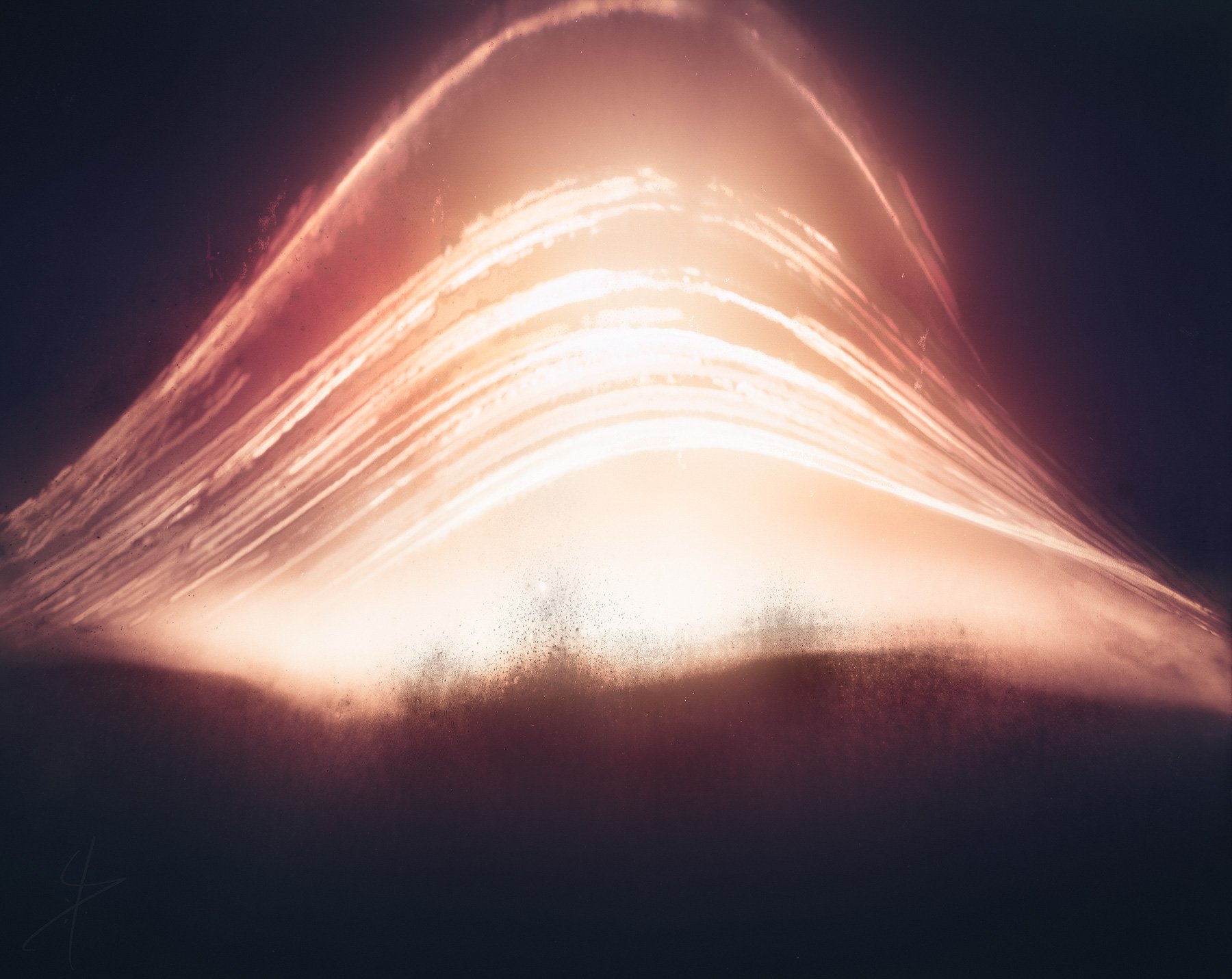
Canopus Force de Frappe
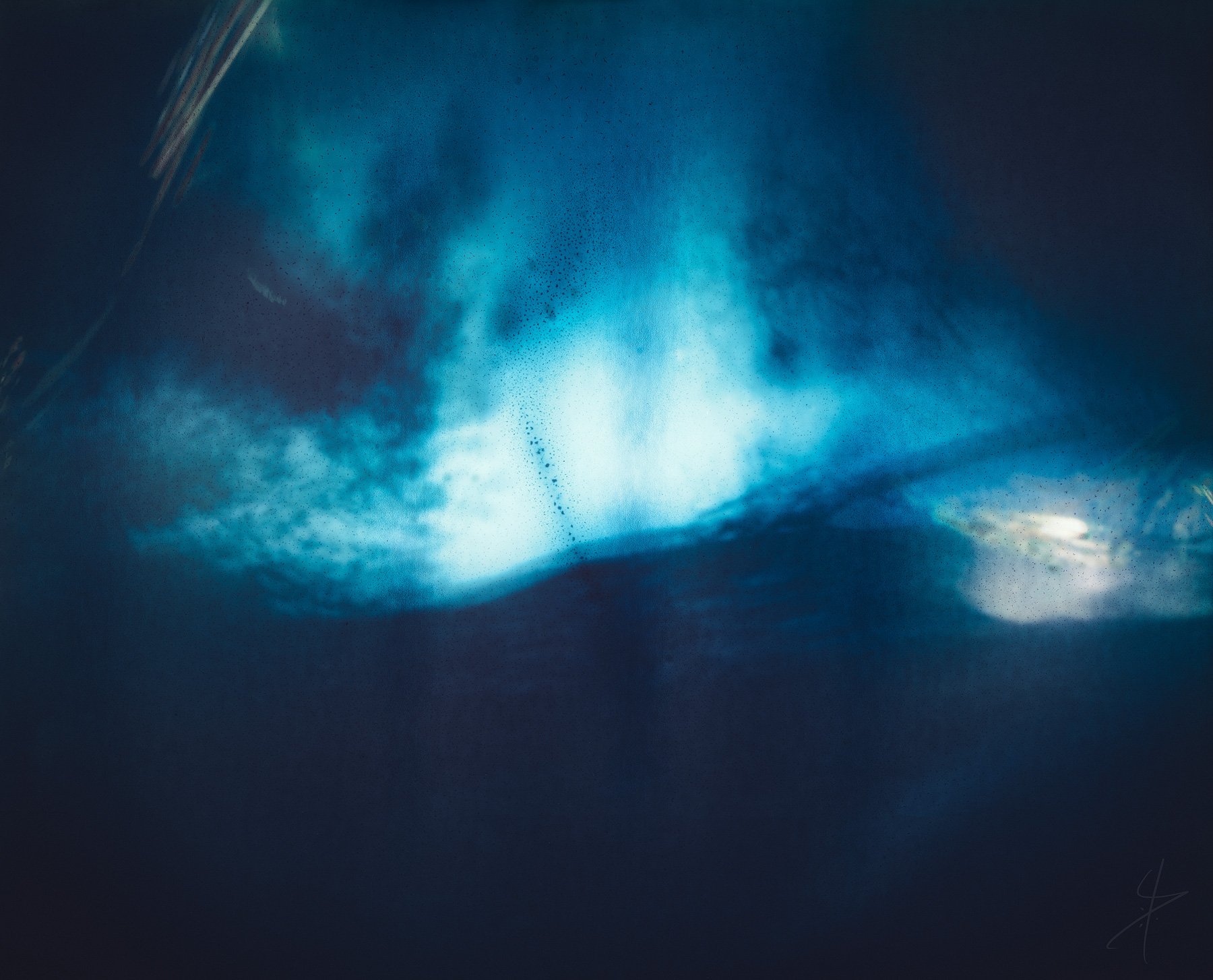
Buster Able
Special limited editions
The first twenty orders include one additional solargraph from 2016
To commemorate the tenth anniversary of the Fstoppers article published a decade ago, the first twenty orders will also receive a randomly selected processed solargraph print from the earlier 2016 project.
You cannot select this print. It is simply luck of the draw.
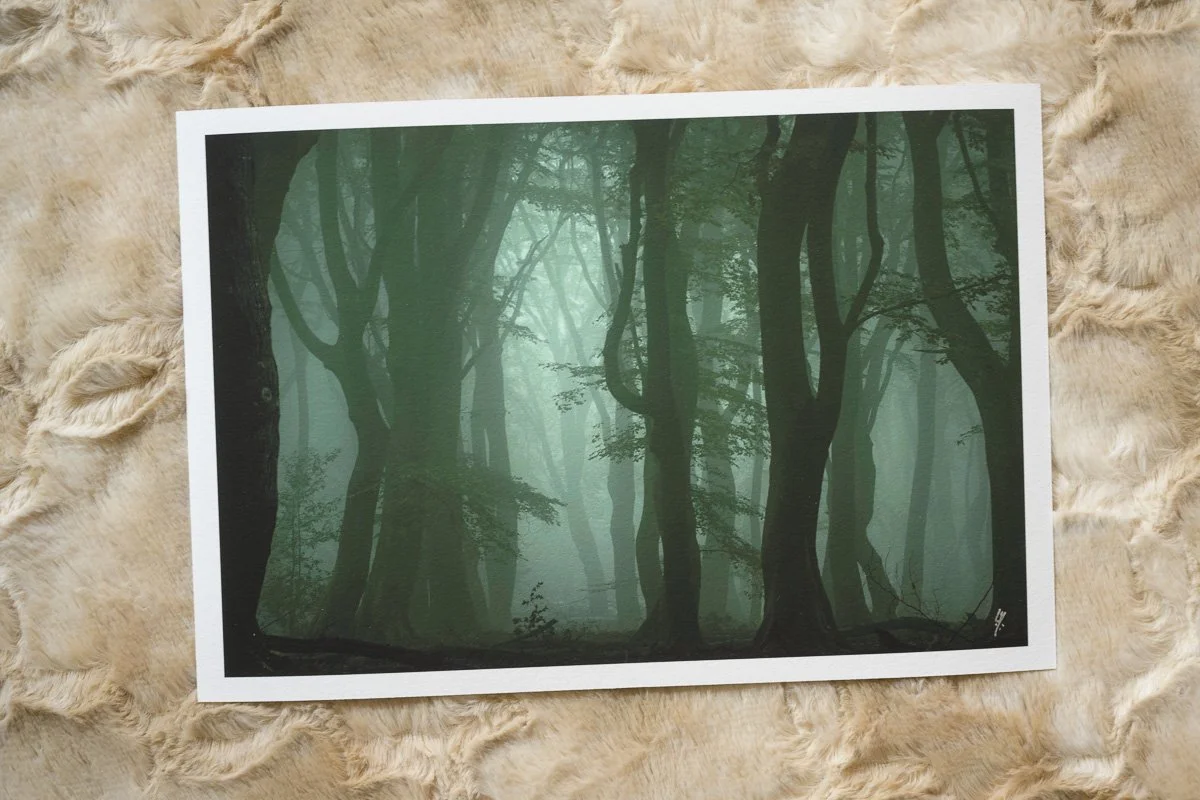
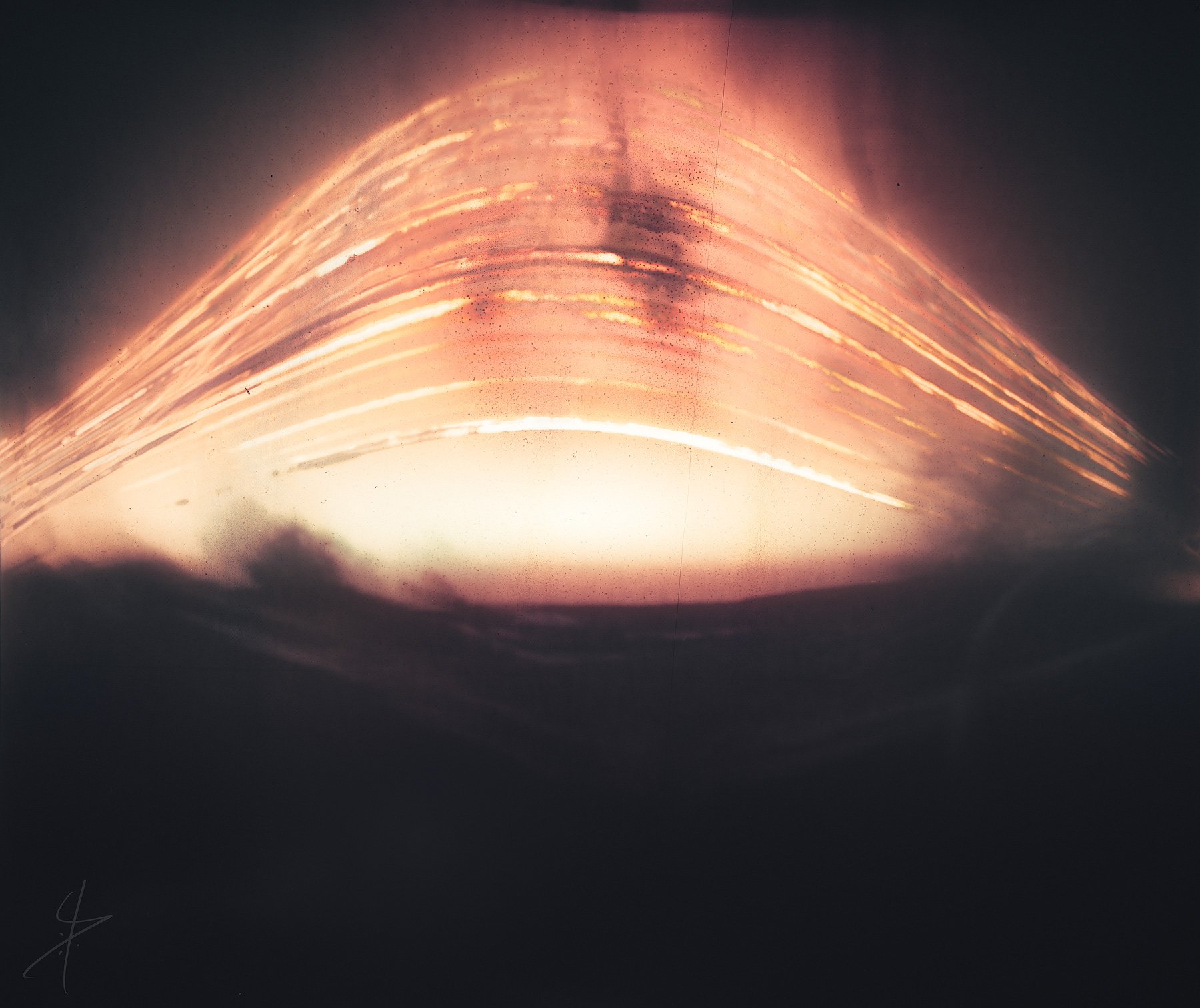
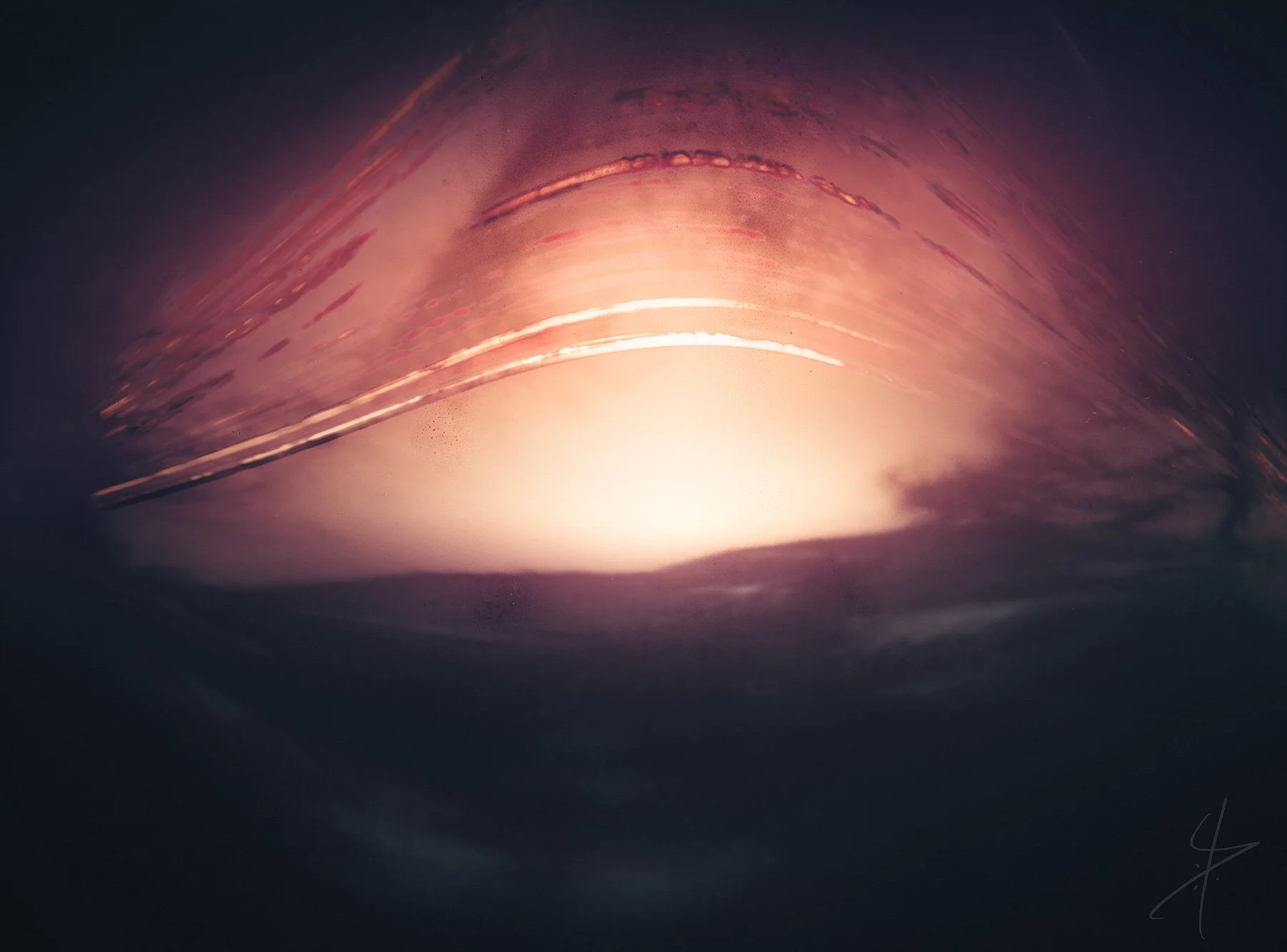
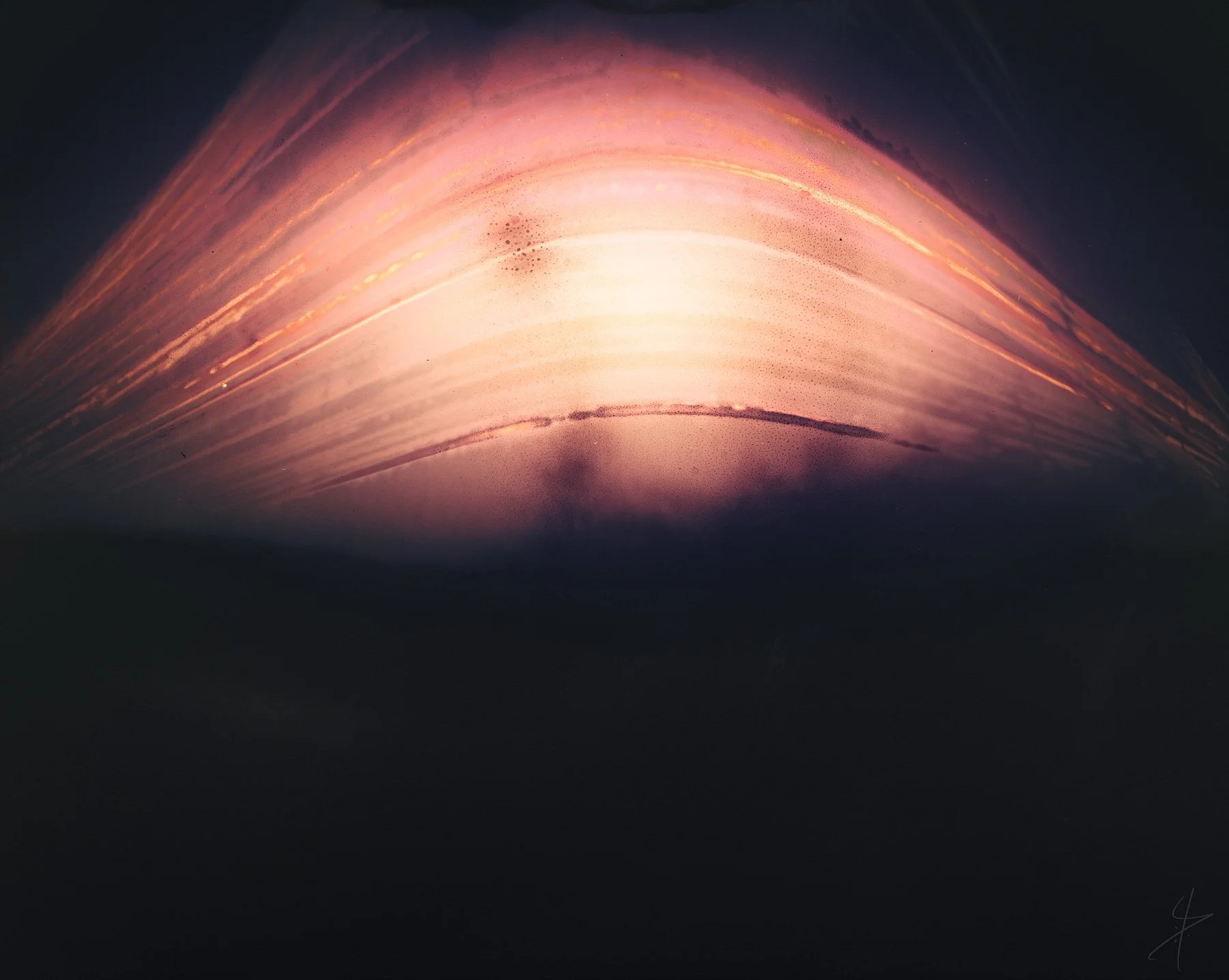
Placed beside the 2026 work, the additional print connects two solargraphy projects made a decade apart. The technique is similar except for the solargraphy paper (Multigrade IV instead of the newer Multigrade V) and exposure time. These are 12 month solargraphs. All of these were captured roughly 29 kilometres north of the 2026 set. You could almost feel the deterioration on these. Of course these are fresh prints with zero defects.
The first ten orders also include an original solargraph of your choice
Be one of the first ten to order this portfolio box and it will also include one of the original solargraphs on the photographic paper that spent more than six months inside the pinhole camera.
The image on the left is a mockup of the scan placed on an actual piece of light-sensitive paper.
This is not a reproduction. The first 10 portfolio boxes include the actual piece of light-sensitive paper on which the sun traced its path between the winter and summer solstices. Each original has been scanned twice and then returned to a cool, lightproof environment inside an envelope, wrapped in aluminum foil to shield it from light and further exposure.
You may select your preferred original solargraph while it is still available. Each one is unique, and once another buyer has claimed it, it is gone.
You can preserve the original inside its darkened envelope as a physical record of the project. You can also experiment with the exposed material by handling it, illuminating it or attempting to process it further after scanning it yourself. What happens next is your decision, and the risk becomes part of the object in much the same way that the unpredictability of solargraphy is what makes this joyful.
What is inside the portfolio box?
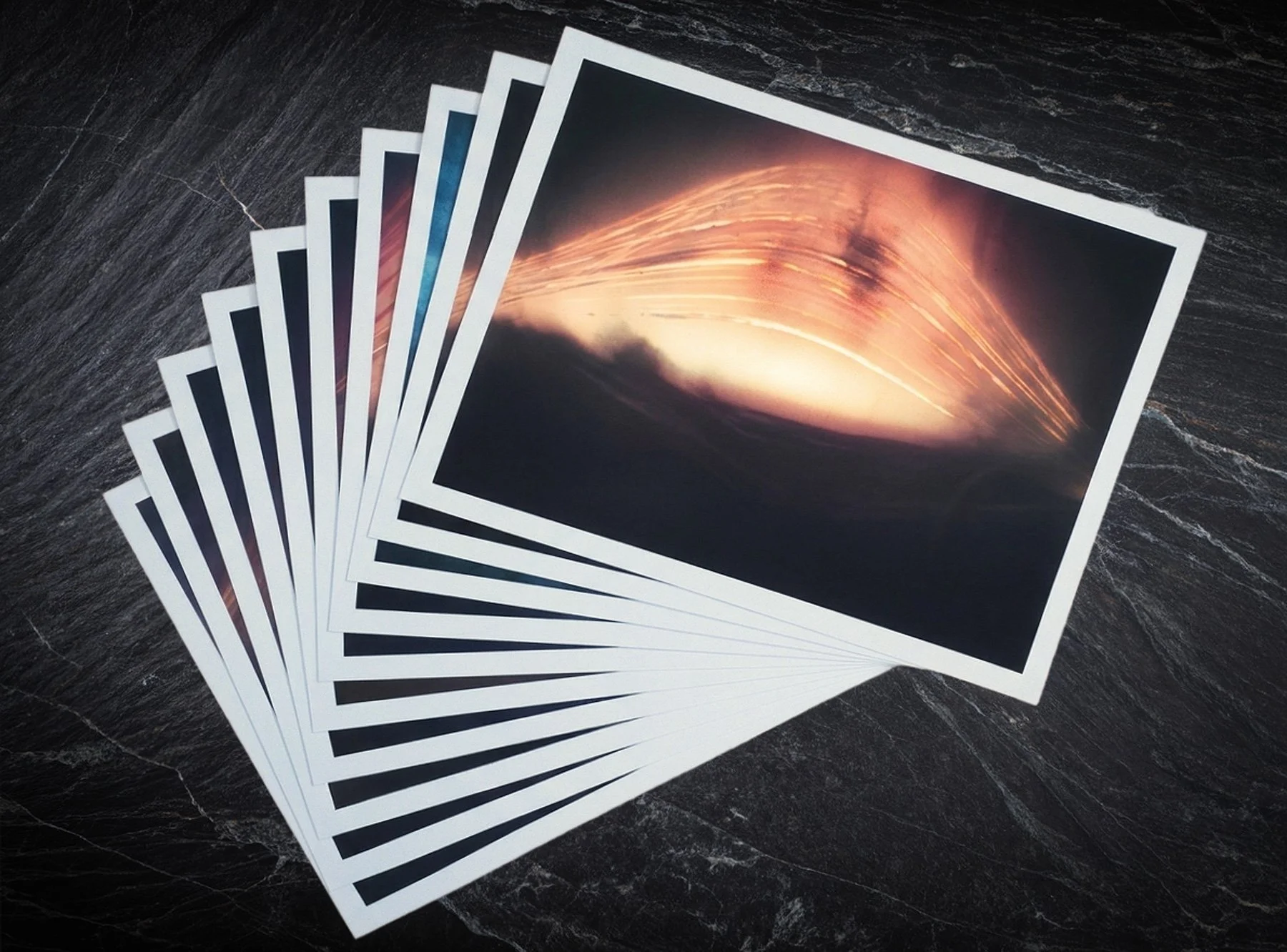
The complete Within the Blast Radius series is presented as a compact, tactile collection that lets you spend more time with these images than a screen normally allows.
Pictured here is the special limited edition for the first 10 orders.
All Within the Blast Radius portfolio boxes contain:
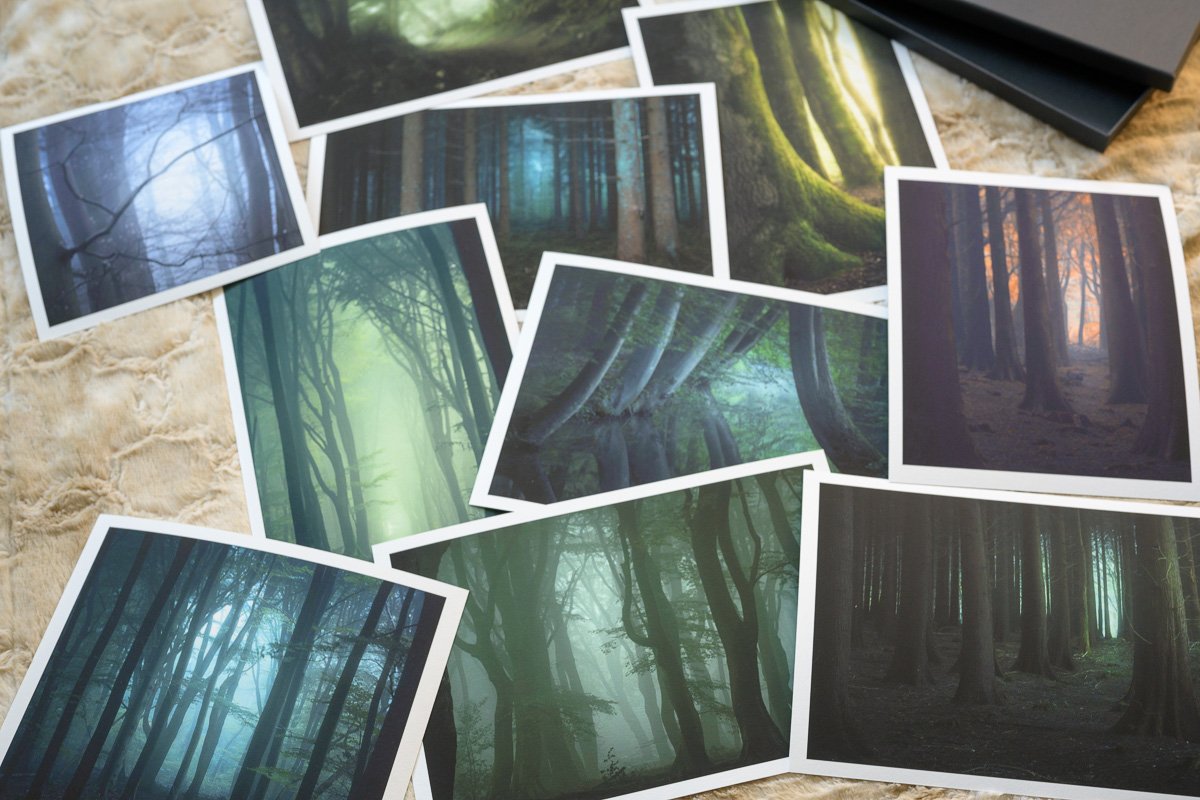
All nine prints from the Within the Blast Radius series.
One additional print made from the solargraph recovered that fell out of its tree during the exposure called “Buster Able”. It landed at the base of the trunk with its pinhole facing upward and continued recording from there, producing an accidental tenth image that could not have been planned.
A signed and numbered certificate of authenticity, printed on the same Hahnemühle Photo Rag paper as the portfolio prints.
A branded Laanscapes portfolio box for storing, displaying and protecting the complete series.
You receive ten archival pigment prints in total, including one image created through the combined efforts of gravity, chance and a beer can refusing to stay put.
You can view the prints together as a complete narrative, display them individually or frame them according to your own taste. Nothing is permanently bound, so you decide how the series is arranged and presented.
Print specifications
Image format: 4:5 aspect ratio.
Finished print size: 21 × 26 cm, with the short edge matching A4 dimensions.
Paper: Hahnemühle Photo Rag, a 308 gsm cotton fibre fine-art paper.
Printing method: Archival-quality pigment printing using current-generation Epson printers with 10 to 12 pigment inks.
Longevity: Archival paper and pigment inks designed for a potential lifespan of up to 300 years under suitable display and storage conditions.
Border: Classic 0,5 cm white border surrounding each image.
Certificate: Signed and numbered certificate of authenticity printed on the same Hahnemühle Photo Rag paper.
Signatures: The certificate is signed and numbered. Individual prints supplied inside the portfolio box are not.
Presentation: Supplied in a branded A4 Laanscapes portfolio box.
Shipping: Worldwide shipping with tracking identification.
Shipping within the Netherlands: Sent as a tracked mailbox parcel where possible.
Solargraphy technical details
Medium: Ilford Multigrade V Resin Coated Pearl finish, fifth generation. Sheets measuring 24 × 30.5 cm were cut into four more or less equal sections.
Camera: Homemade pinhole cameras constructed from 500 ml beer cans, sourced from various Dutch craft breweries.
Lens: Needle-punched pinhole with an unsanded exit point.
Approximate focal length: 65 mm.
Approximate aperture: f/200. No precision instrument joined the beer cans in the dunes to verify this.
Exposure time: Approximately 15,701,864 seconds. Just kidding. Probably. The cameras were left alone for at least 181 days and 17 hours.
*No AI was used in any capacity creating this. These are real photographs, scanned and post-processed meticulously to capture the artistic vision of the photographer.
Within the Blast Radius is a record of sunlight, landscape and time, but it is also a reminder that permanence may be little more than a story you tell yourself for reassurance. The sun continued moving. The trees continued growing. Cameras fell from branches. The world remained unstable.
For half a year, photographic paper quietly recorded all of it. Now you can hold that record in your hands.
Shipping and turnover time
Ships anywhere in the world (shipping costs will be calculated upon check-out). Sent as a letterbox / mailbox package. Turnover time depends on your location:
Netherlands: arrives within 7 workdays.
Europe Union: arrives within 14 workdays, but usually faster.
Europe outside of EU: arrives within 17 workdays due to customs.
Rest of the world: usually arrives within 14-21 workdays due to customs.
Customs and import taxes are excluded. The box will be marked as “Gift” with a low value which will prevent surprisingly high costs upon receiving the box due to customs legislation and import taxes.
Edition numbers
Special Limited Edition: 10, includes one original solargraph and one randomly chosen print of a 2016 12-month solargraph.
Limited Commemorative Edition: 10, includes one randomly chosen print of a 2016 12-month solargraph.
Within the Blast Radius standard limited edition: 30
Only 50 copies of this box are printed. Each included certificate of authenticity is signed and numbered.
Order now
Recorded using homemade pinhole cameras with photographic paper from the winter solstice in 2025 to the summer solstice of 2026, these solargraphs depict very intentionally an interpretation that resembles various detonations of nuclear devices.
With global tensions rising every day for the past few years now, it's harder and harder to predict whether or not we will have a future that's not reset by catastrophe. This is a bitter pill to swallow, especially since we like to enjoy art rather than being reminded of the mortality of entire civilizations. But life isn't always fun and positive.
To me personally, that is a very difficult concept to come to grips with as I've struggled with depression during the time these photos were recorded. With fun, empathy and compassion among my core values, the realization that even the outcome of these can be messed with by the powers that be is part of a healing process that I am still very aware of. For as long as I can remember, I have infrequent, but scarily visual dreams of me standing witness to a nuclear explosion. Especially given the hopefully not prophetic nature of those nightmares I keep having. Perhaps I saw something on TV at a young age I shouldn’t have. In more ways than one, these one of a kind photos serve as a milestone moment to remind at least myself that there are mechanisms at play that we have no control over and so we should be more considerate of the present moment and our immediate surroundings. One of the ways I quietly manage my mental health, is to go out often and spend time walking in nature, away from digital media. At one point, I was reminded of what I created in 2016 and how excited about photography I felt back then. What if I were to combine my love for that stretch of nature, my knowledge of all the nooks and crannies that provided south-facing vistas and longing for simpler times that were even a slight amount more “analog”? There is hope that creating this solargraphy series is cathartic and these dreams stop occurring.
About the Location
These prints are of photos taken of the sun’s path over the Dutch landscape. All 2026 solargraphs were captured for half a year in The Schoorl Dunes, about 20 minutes from my home. The Schoorlse Duinen (Dutch) is a dynamic coastal natural reserve in the province of North Holland in the Netherlands, spanning approximately 1,875 hectares (roughly 4,633 acres) and managed by the Dutch forestry agency Staatsbosbeheer. Geographically and topographically, it is famed as the widest and highest dune system in the Netherlands, reaching a maximum width of five kilometers and peaking at an elevation of over 55 meters above sea level. This unique landscape is a key component of the European-wide Natura 2000 network and historically represents a transition zone within the Younger Dunes system, which began forming relatively recently in geological terms around the 10th to 12th century AD, capping older, flatter Pleistocene and early Holocene sandy layers. Historically, the entire area was a barren, constantly shifting desert of sand that threatened to bury adjacent inland villages. In a massive man-made intervention around 1900, Staatsbosbeheer systematically stabilized the sand drifts by planting marram grass (Ammophila arenaria) and vast expanses of non-native maritime and Scots pine forests. Many solargraph feature shadows of these pines. The 2016 solargraphs were captured about 29 kilometers north in a similar looking place called the Grafelijkheidsduinen where I used to live relatively close to back then.
Within the Blast Radius is a record of sunlight, landscape and time, but it is also a reminder that permanence may be little more than a story you tell yourself for reassurance. The sun continued moving. The trees continued growing. Cameras fell from branches. The world remained unstable.
For half a year, photographic paper quietly recorded all of it. Now you can hold that record in your hands.
The first ten orders include one original solargraph of your choice. First come, first serve.